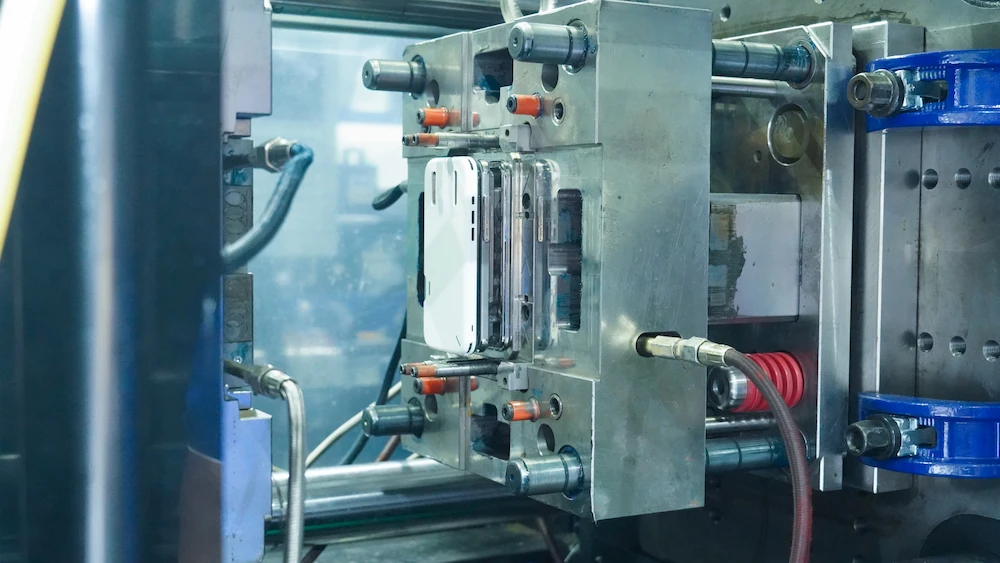
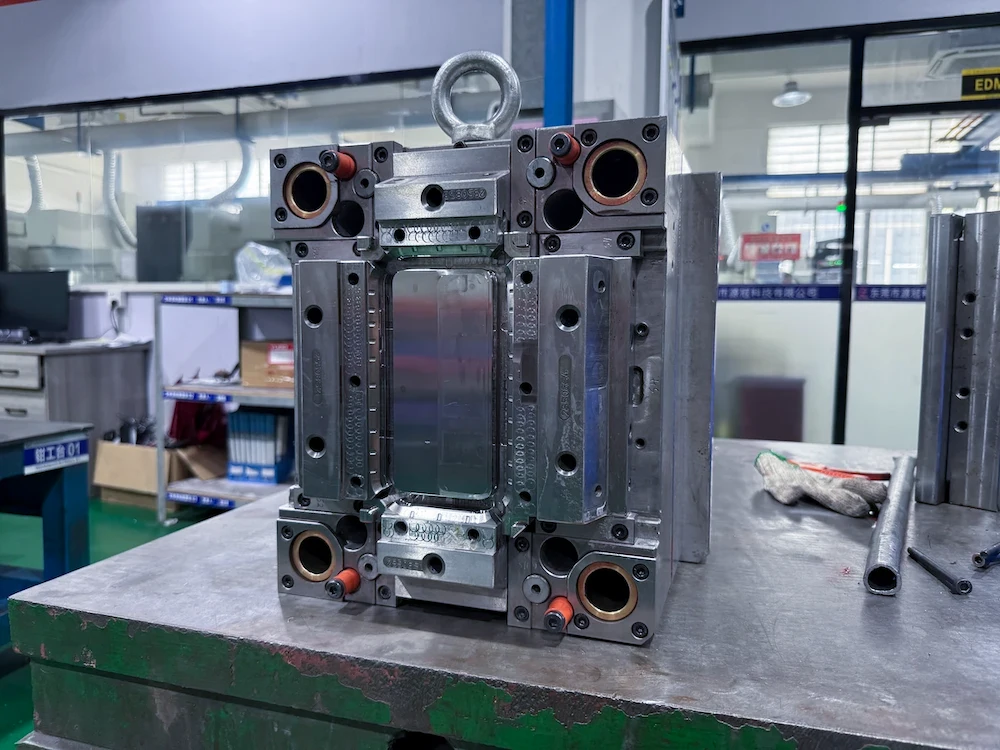
TIER 01 / DVT & EVT VALIDATIONMUD Quick-Change Core & Cavity Inserts
Custom-machined core and cavity inserts that lock into our shared Master Unit Die (MUD) frames—slashing mold base cost and machining lead time by over 50%.
Bypass fragile 3D-printed resins and 8-week hard-tooling delays. YG Tech machines precision MUD quick-change inserts and P20/NAK80 bridge molds to ±0.005mm steel tolerances—delivering real thermoplastic parts for DVT/PVT validation and 1,000+ unit market launches.
SLA and SLS 3D prints cannot replicate injection shear stress, weld-line integrity, or optical clarity during drop tests and regulatory certification. Our rapid tooling services eliminate heavy upfront capital lock-up while molding your exact production resins—from Optical PC and TPU to PA66+GF30—inside our ISO Class 8 and automated press facilities.
Instead of funding a dedicated multi-plate mold base, you only pay for custom-machined core and cavity inserts mounted into YG Tech's standardized Master Unit Die (MUD) quick-change frames.
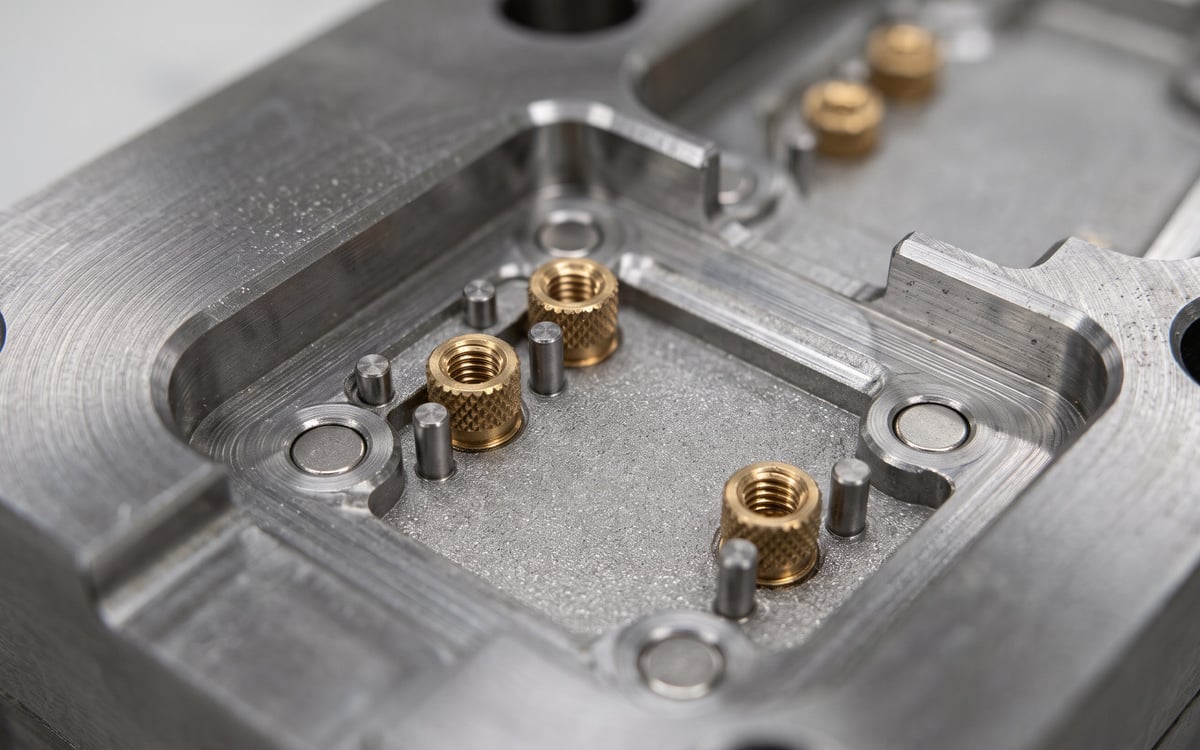
Validate real snap-fit fatigue, chemical resistance, and IP68 sealing using commercial-grade PC, ABS, TPE/TPU, LSR, or PEEK—with full support for N52 magnet encapsulation and brass insert molding.
DVT and PVT assemblies inevitably require structural tuning. We engineer rapid molds with steel-safe allowances, enabling rapid rib, boss, or wall-thickness revisions without scrapping the tool.
Fulfill early retail pilots, clinical trials, or crowdfunding backers with a 1,000 pcs MOQ while your high-cavitation H13/S136 mass-production mold is being built in parallel.
Select the exact mold structure, pre-hardened steel grade, and cavitation strategy required for your DVT validation or low-volume bridge production run.
TIER 01 / DVT & EVT VALIDATIONCustom-machined core and cavity inserts that lock into our shared Master Unit Die (MUD) frames—slashing mold base cost and machining lead time by over 50%.
TIER 02 / PVT & MARKET LAUNCHDedicated LKM mold bases for parts requiring side-action sliders, lifters, or SPI-A2/VDI textures. Bridges 1,000 pcs pilot runs to full commercial scale.
TIER 03 / SPECIALTY PROCESSESDe-risk PC+TPU overmolding adhesion, N52 magnet encapsulation, optical PC lenses, and ISO Class 8 medical LSR parts at ±0.005mm insert accuracy.
Avoid burning capital on premature hard tooling or delaying certification with fragile 3D prints. Compare engineering trade-offs across steel grades, tolerances, and unit economics.
| Engineering Parameter | RECOMMENDED FOR DVT / PVT & LAUNCHYG Tech Rapid & Bridge Tooling | Class-101 Mass Production Tooling | 3D Printing / CNC Prototypes |
|---|---|---|---|
| Mold & Steel Architecture | MUD Frame or Bridge Base(P20, NAK80, Pre-Hardened S136) | Multi-Cavity Hot Runner (Hardened H13 / S136, 48–52 HRC) | Toolless Additive Layering or 5-Axis CNC Workholding |
| Machining & Part Tolerance | ±0.005mmSteel / ±0.01mmMolded Part | ±0.005mm Steel / ±0.01mm Molded Part | ±0.10mm – ±0.20mm (Anisotropic Warpage Risk) |
| T1 Sample Lead Time | 10 – 15 Calendar Days | 25 – 35+ Calendar Days | 3 – 7 Calendar Days |
| Tool Life & Optimal MOQ | 5,000 – 100,000+ Shots(Flexible 1,000 pcs MOQ) | 500,000 – 1,000,000+ Shots (100,000+ pcs Volume) | 1 – 50 Units Only (Zero Volume Scalability) |
| Material & Process Scope | 100% Commercial Resins(PC, TPU, LSR, PEEK, 2K & Insert) | 100% Commercial Resins (High Setup Amortization) | Simulated Resins (Fails Drop, Optical & IP68 Tests) |
| Post-T1 ECO Modification | Fast Steel-Safe Tuning (3–5 Days)at Minimal Cost | Slow & Costly (Requires Annealing, Welding & Re-EDM) | Instant CAD Update (Re-Machining Required per Unit) |
Upload your 3D files (
.STEP,
.IGES, or
.X_T) for a complimentary engineering evaluation within
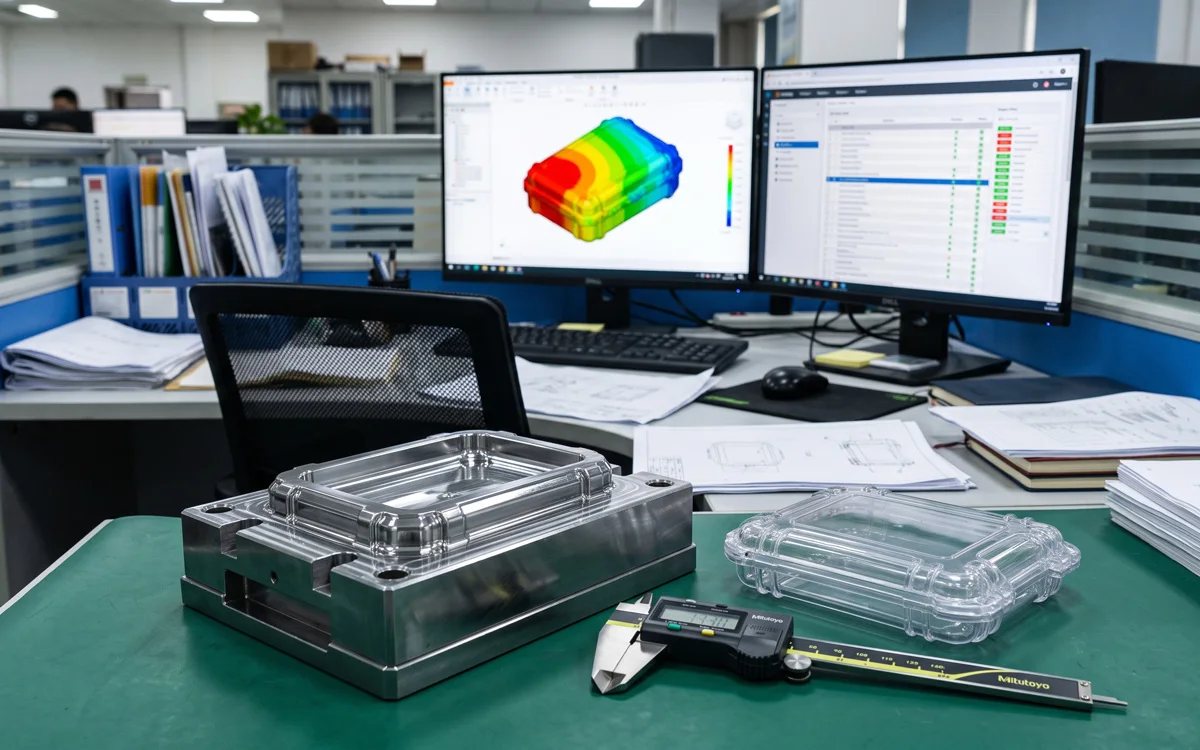
24 hours. Our senior tooling engineers will simulate resin flow, pinpoint sink-mark or weld-line risks, and quote both rapid and mass-production tooling options side by side.

Purpose-built rapid MUD inserts and pre-hardened bridge molds for consumer electronics, collectible armor, and medical OEMs demanding cosmetic perfection and tight assembly tolerances from T1.
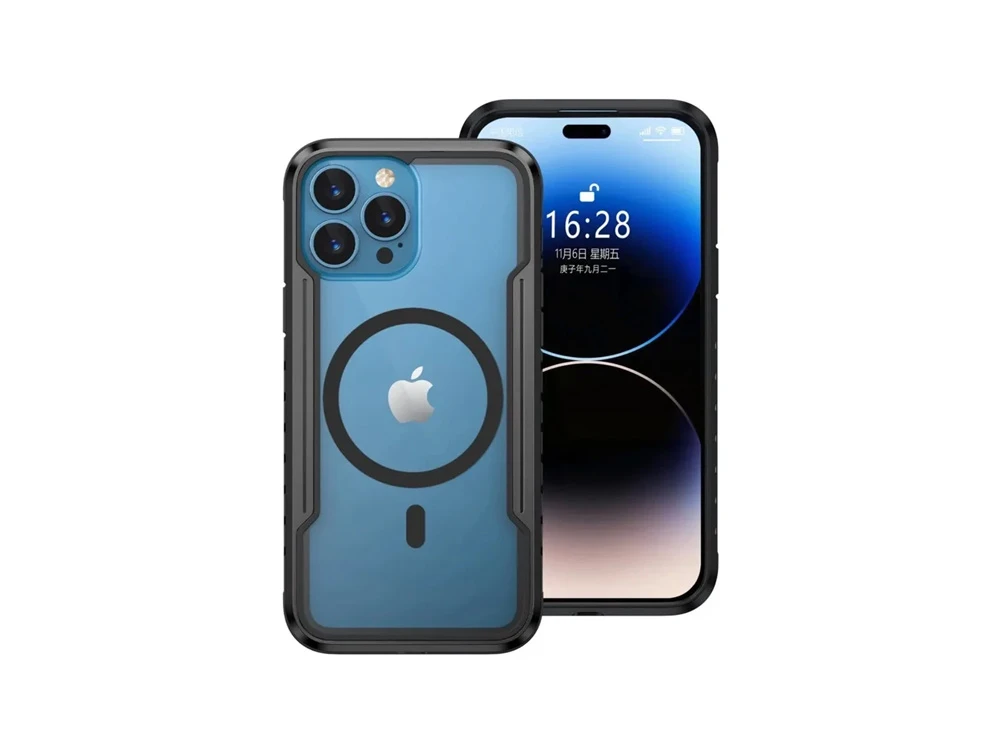
01 / MAGSAFE ARMOR3m drop-test validation, chemical PC+TPU bonding, and flush N52 magnet array retention in 12 days via NAK80/S136 bridge tools.
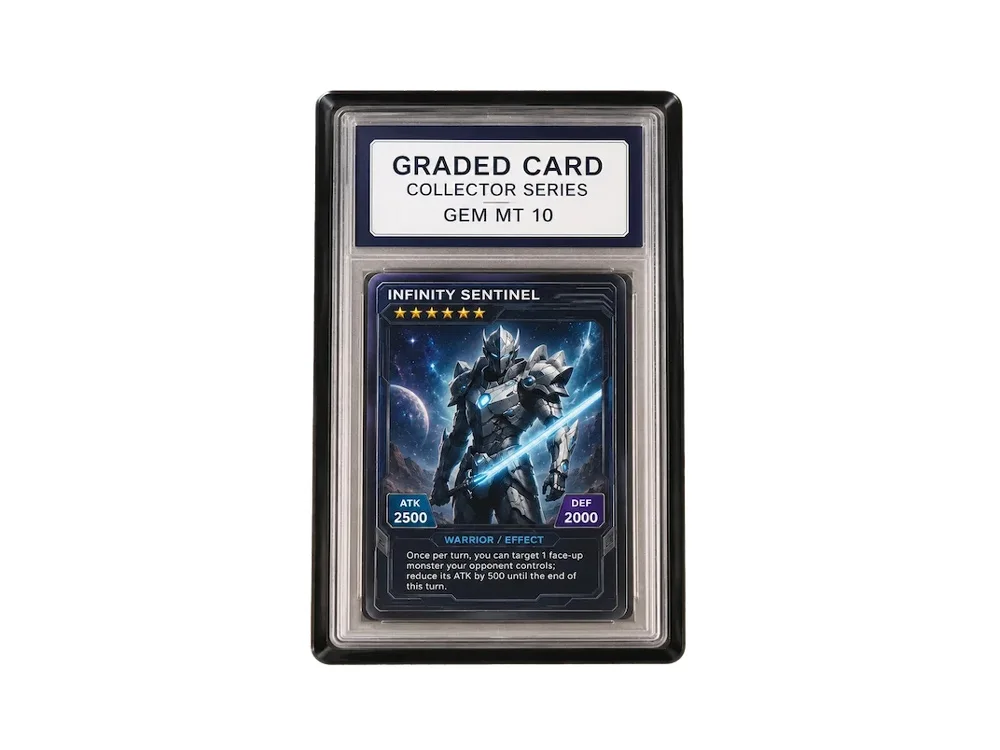
02 / COLLECTIBLE VAULTSPSA/BGS slab armor and sneaker vaults molded with zero gate vestige, glass-like clarity, and crisp snap-fit locking clasps.
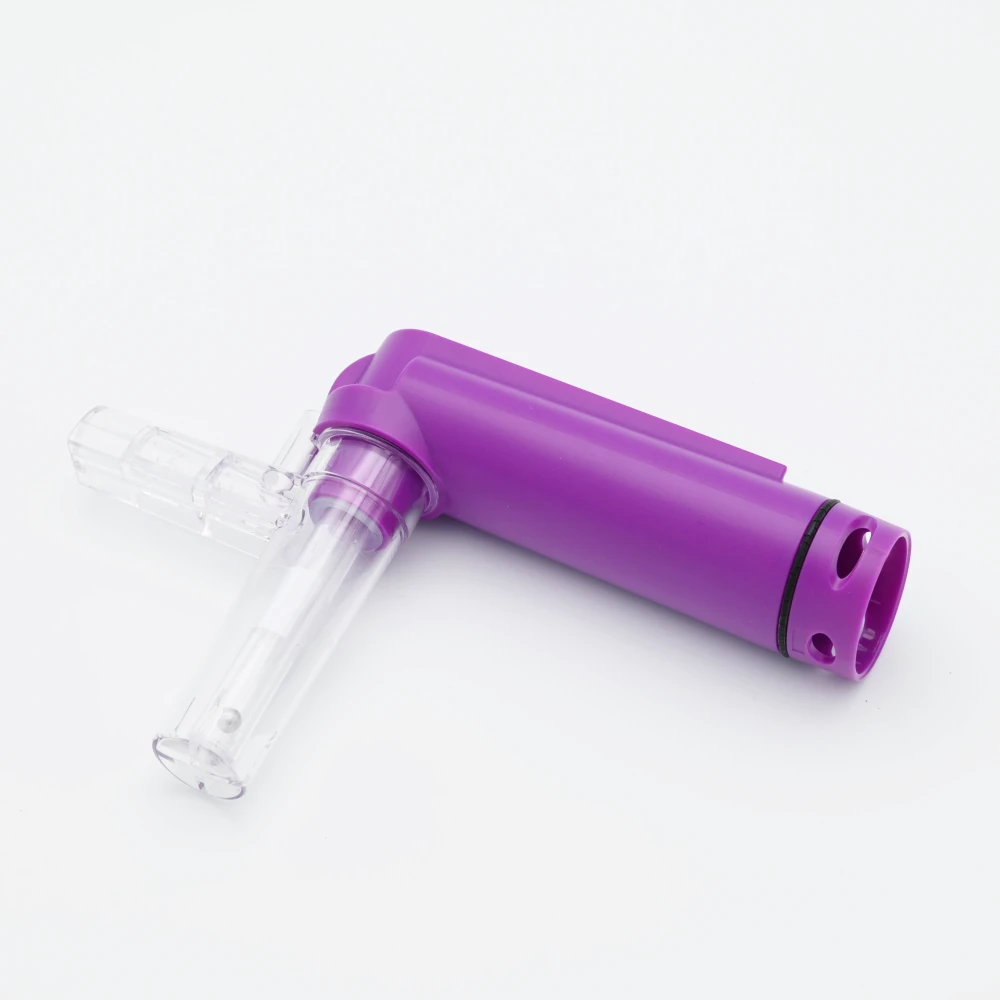
03 / ISO 13485 MEDICALAccelerate FDA/CE clinical trials with cleanroom-molded enclosures built to withstand sterilization and chemical disinfectants.
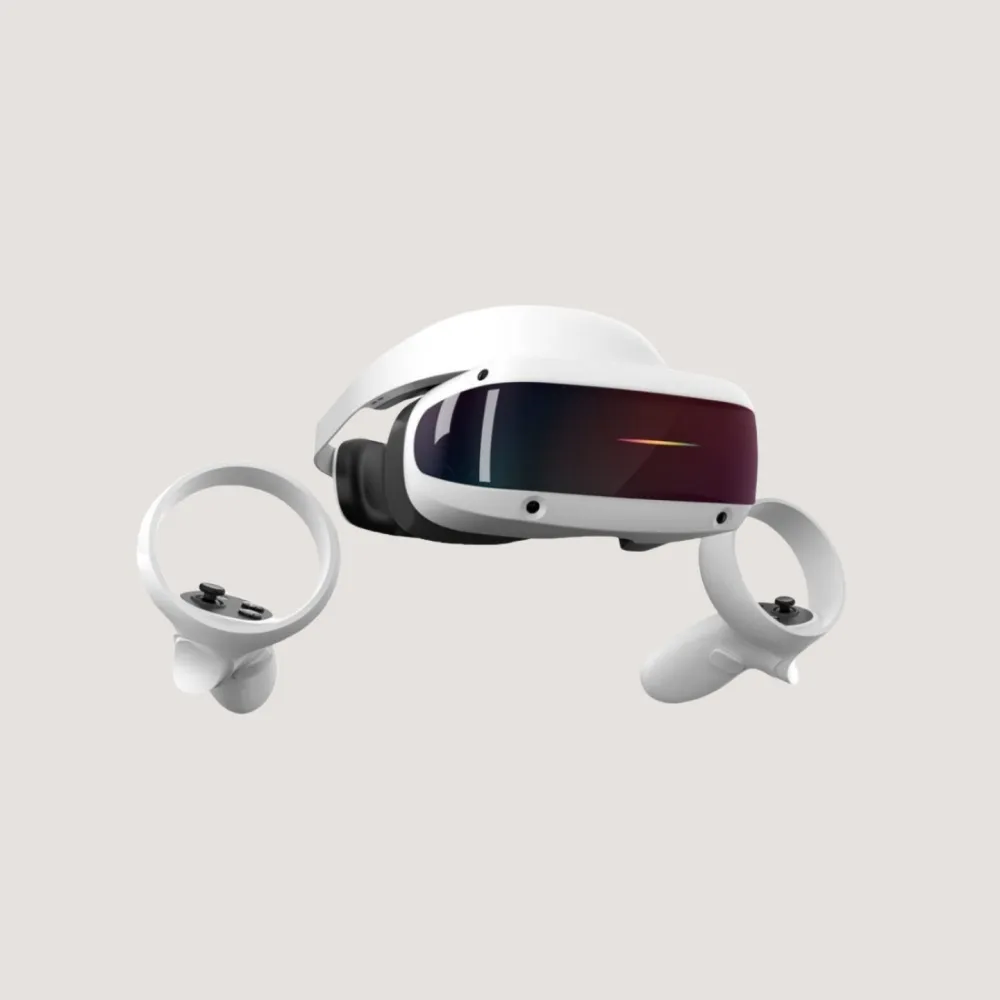
04 / XR & SPECIALTYDistortion-free XR optical visors, carbon-fiber sensor frames, and multi-stage child-resistant mechanical latch enclosures.
Speed in rapid tooling never means skipping metrology. Every MUD insert and bridge mold follows a locked 4-stage milestone schedule inside our ISO 9001 & ISO 13485 Dongguan plants.
Line-by-line review of draft angles, parting lines, and wall thickness alongside Moldflow thermal fill simulation. Critical features are engineered with steel-safe allowances for rapid post-T1 tuning.
P20, NAK80, or S136 cores are milled on Makino/Mikron 5-axis CNC centers and spark-eroded on Sodick mirror EDM machines. In-process CMM electrode checks guarantee ±0.005mm steel accuracy.
MUD inserts or standalone molds are mounted onto our 130+ Sumitomo and Haitian presses (including 2K rotary & ISO Class 8 cleanroom units) to lock melt temp, holding pressure, and cycle time.
T1 samples undergo Hexagon CMM and optical metrology to verify ±0.01mm CTQ dimensions. Once signed off, we execute 3–5 day steel-safe ECOs or launch your 1,000+ unit bridge production run.
While 7075 aluminum is marketed by some prototype shops, it suffers from rapid parting-line wear, galling on sliding shut-offs, and flash defects after just a few hundred shots—especially when molding glass-filled resins (PA+GF), high-viscosity Optical PC, or 2K overmolded TPU. By combining our high-speed Makino CNC and Sodick EDM workflows with standardized MUD quick-change frames, we machine pre-hardened P20, NAK80, and S136 steelin the same 10–15 day window at comparable cost, while delivering ±0.005mm steel accuracy, SPI-A1 optical polish capability, and 5× to 10× longer tool life.
Hardware validation during DVT and PVT almost always requires fine-tuning snap-fit retention, boss diameters, or wall thickness. During Phase 01 DFM, our engineers intentionally design critical features with steel-safe allowances(meaning modifications only require removing steel via CNC/EDM rather than welding). Most steel-safe ECO revisions are completed and re-sampled (T2) within 3 to 5 calendar days.
Yes. Upon final tooling payment, you hold 100% legal ownershipof your custom-machined MUD core/cavity inserts or standalone bridge mold. We never hold customer tooling hostage. We provide complimentary climate-controlled mold storage and preventative maintenance in our Dongguan facility for your ongoing bridge production, or we can crate and export standalone molds globally upon request.
Absolutely. Unlike basic prototype shops limited to simple open-and-shut single-shot parts, our Tier 03 Specialty Rapid Toolsare engineered specifically to validate multi-material bonding (such as Optical PC + TPU for rugged MagSafe cases), in-mold N52 magnet array encapsulation, knurled brass inserts, and ISO Class 8 medical Liquid Silicone Rubber (LSR) seals prior to high-cavitation hard tooling.
We execute a Parallel Bridge-to-Scale Workflow. Once your design is frozen on the rapid bridge tool, that tool immediately enters low-volume production (1,000–50,000 pcs) to fulfill early retail launches, clinical trials, or crowdfunding backers. Simultaneously, our mold shop builds your multi-cavity, through-hardened H13/S136 mass-production tool—leveraging the exact shrinkage and gating data proven during your rapid tooling run.
To receive a complete quotation and preliminary DFM review within 24 hours, please provide: (1) 3D CAD files in
.STEP,
.IGES, or
.X_Tformat; (2) 2D engineering drawings in
.PDFhighlighting critical-to-quality (±0.01mm) tolerances and cosmetic zones; (3) Specified resin grade and color/finish standard (Pantone, SPI, or VDI 3400); and (4) Your target T1 sample quantity plus estimated pilot/annual volume.