
Two-Shot Injection Molding & 2K Molding Services
Seamless multi-material and dual-color bonding for premium custom accessories. Elevate your product design with robust chemical adhesion, ergonomic grips, and waterproof seals.
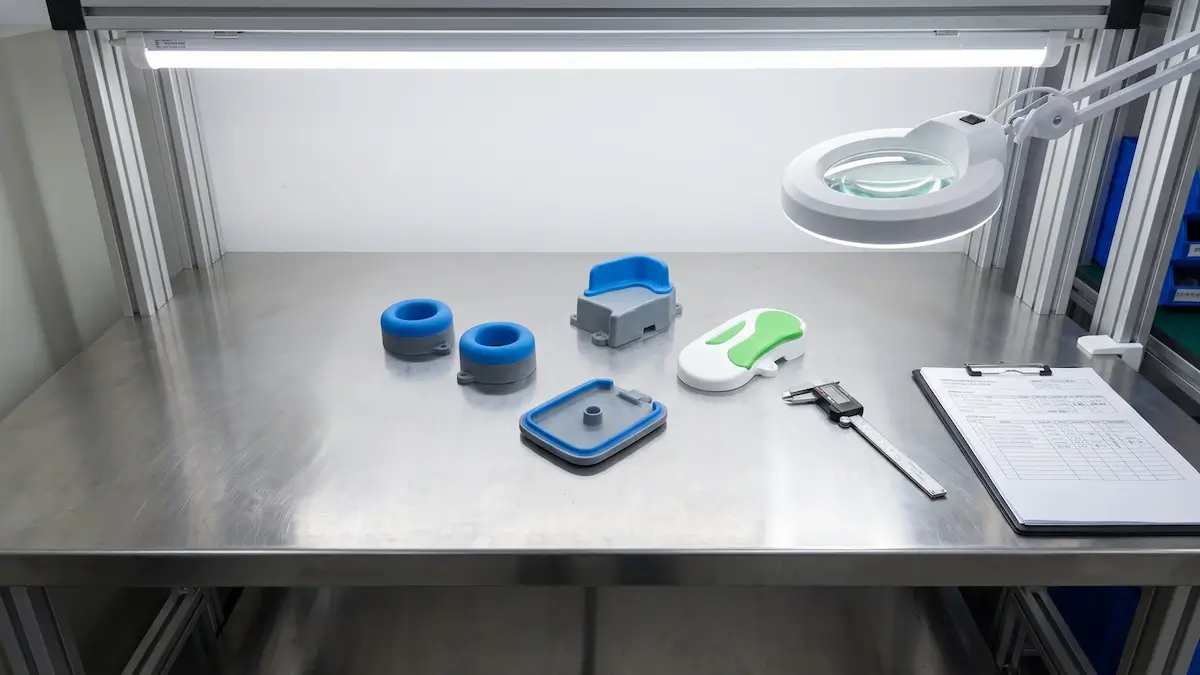
Engineering Excellence: How 2K Molding Works
Two-shot (2K) molding forms the substrate and the overmold in a single automated cycle, on one machine fitted with two barrels and a rotating or indexing mold. The substrate shot fires, the mold indexes to expose the second cavity, and the overmold shot bonds to it while both the tooling and the melt are still under full process control — locking the two materials together at a molecular level through matched resin chemistry, reinforced by any mechanical interlocks designed into the substrate geometry.
In plain terms: two materials go in, one finished part comes out — no secondary assembly line, no glue station, and no bonded-on grip that can peel off in the field. That directly cuts labor cost and field-failure risk, and it’s exactly what turns a plain plastic shell into a premium accessory: a protective case that actually cushions a drop, an AR/VR headset with a soft, sealed contact surface, a tool handle that feels like it costs more than it does.
Shot 1: Substrate
Rigid base material fills the first cavity
Mold Indexes
Rotating or sliding mold exposes cavity two
Shot 2: Overmold
Second material bonds directly onto shot one
Finished Part
One automated cycle, no manual handling
Why Choose Our 2K Molding Solutions?
Precision Tooling
Standard mold tolerances of ±0.005mm — and for a 2K tool, that precision matters most at the shut-off line, where the second-shot mold has to seal against the first-shot part without flashing or crushing it. Critical alignment and shut-off features get additional precision grinding specifically to hold that seal shot after shot.
Low-Volume Pilot Runs
Most 2K molders want tens of thousands of units before they’ll quote a project. Our 1,000-unit MOQ lets you validate a real dual-material part in market before committing to a bigger production run.
Rapid Tooling via MUD
Our Master Unit Die framework compresses even a two-cavity 2K tool down to as fast as a 10-day lead time — turning a design iteration into a matter of weeks, not a full quarter.
Medical & Industrial Grade
Built on ISO 13485 and ISO 9001 process discipline, with full traceability — ready for the documentation demands of industrial and medical-adjacent accessory programs.
2K Molding Material Compatibility Matrix
Every 2K project lives or dies on chemical adhesion between the two shots. Here’s what we run most often, from soft-touch bonding to rigid two-tone color pairs.
| Substrate (Shot 1) | Second Material (Shot 2) | Bond Type | Typical Use |
|---|---|---|---|
| Polycarbonate (PC) | TPU | Excellent Adhesion | Soft-touch grips, sealed enclosures |
| ABS | TPE | Excellent Adhesion | Ergonomic handles, buttons |
| PC / ABS blend | LSR | Excellent Adhesion | Watertight seals, medical-adjacent grips |
| Polycarbonate (PC) | Polycarbonate (PC) | Rigid + Rigid | Two-tone color contrast housings |
| ABS | ABS | Rigid + Rigid | Two-color logos, button accents |
Precision Applications for Premium Accessories
Smart Devices & AR/VR
- Dual-color, light-transmitting button assemblies
- Soft-touch, skin-contact grip zones on wearables
- Sealed, waterproof housings for smart hardware
Consumer Electronics
- Rigid PC + soft TPU phone and tablet protective cases
- Drop-resistant corner and edge bumper structures
- Two-tone accessory housings without secondary painting
Medical & Healthcare
- Ergonomic, sterilizable surgical instrument grips
- Non-slip bases for benchtop diagnostic equipment
- Traceable production under ISO 13485 process control
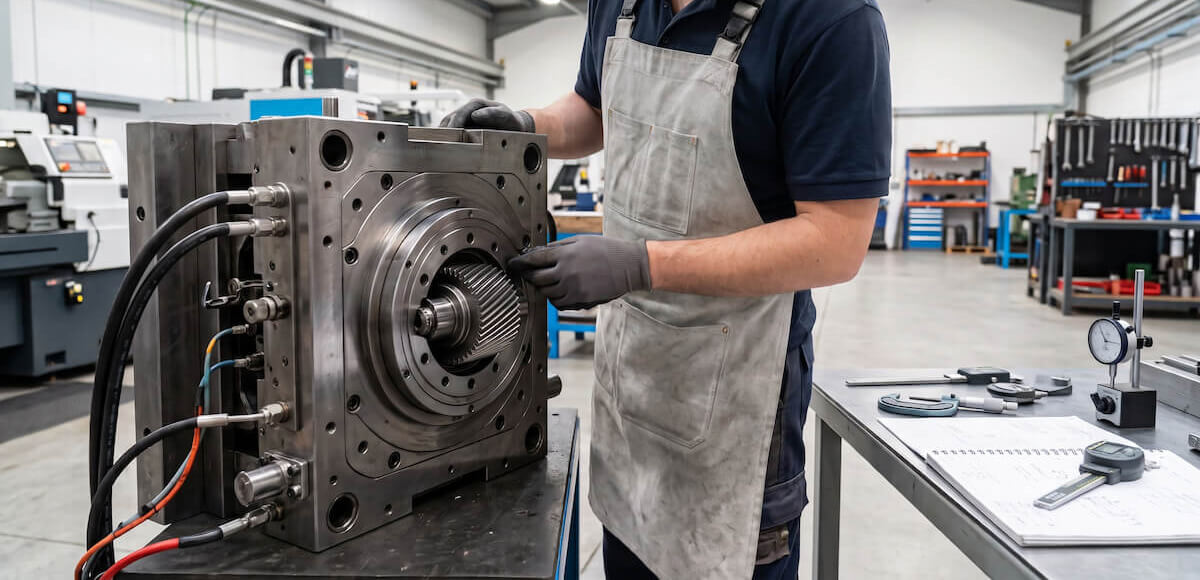
De-Risk Your Project with Expert DFM Support
Free DFM Review
Before a 2K tool gets designed, our engineers check wall thickness, gate location, and the shrinkage-rate difference between your two materials — the combination most responsible for warpage and weak bonds when it’s missed. See our guide to diagnosing warpage and other molding defects for how we catch this before steel is cut.
IP Protection
An NDA is standard practice before any CAD file or design detail changes hands. Your design stays confidential from first quote through production, and mold ownership transfers 100% to you once it’s paid in full.