
Custom Overmolding Services & Soft-Touch Plastic Solutions
Enhance product grip, impact resistance, and waterproof sealing by molding soft elastomers (TPE/TPU/LSR) over rigid plastic substrates. Cost-effective tooling designed for low-volume production.
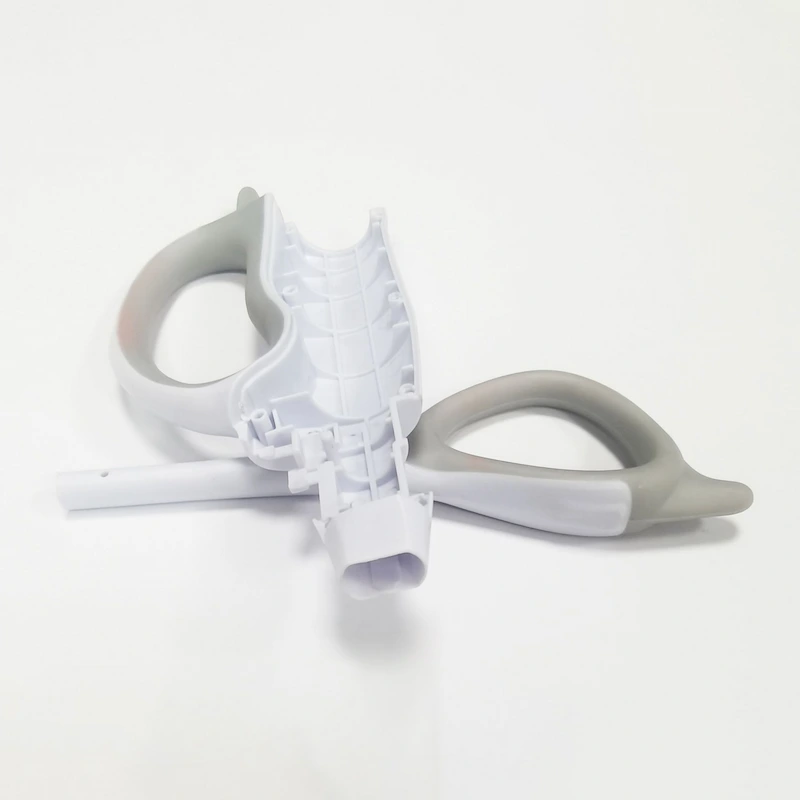
Overmolding vs. Two-Shot Molding: Why Overmolding Wins for Startups
Both processes bond a soft material to a rigid one — the difference is in the tooling investment and the volume it's built for. See our two-shot molding page if your program is already past the pilot stage.
Tooling Investment
Overmolding uses two conventional, single-material molds — or one mold with the substrate placed in by hand for the second shot. Tooling stays structurally simple and inexpensive to build.
Volume Sweet Spot
Well matched to pilot runs and first production orders, typically in the 1,000 to 10,000-unit range. Two-shot molding needs tens of thousands of units before its automated, rotating-mold tooling pays for itself.
Material Versatility
Overmolding makes it far easier to run specialty combinations — LSR over a heat-resistant rigid substrate, for example — that a rotating 2K tool can't always accommodate.
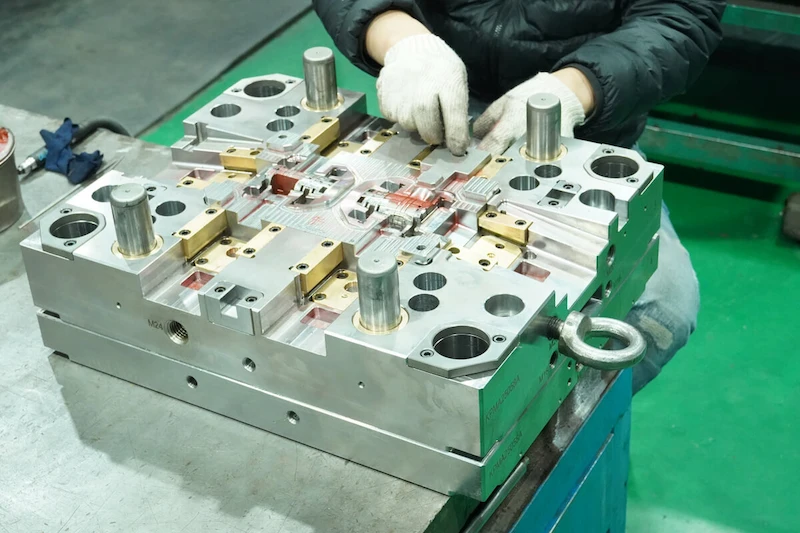
Mastering Adhesion: Chemical Bonding vs. Mechanical Interlocking
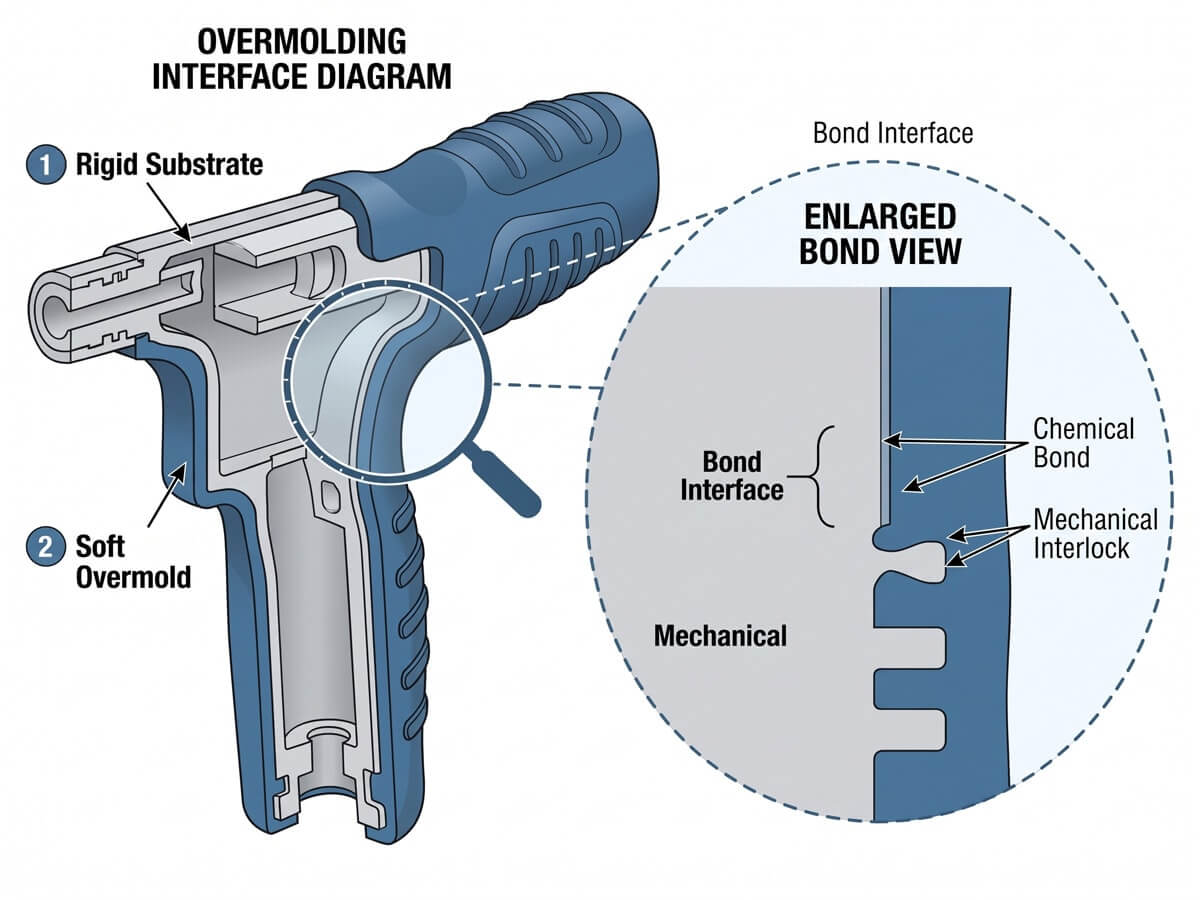
Chemical Bonding
A good bond depends on the substrate and overmold resins fusing at a molecular level as the second shot is injected. We control mold and melt temperature precisely to activate that bond at its strongest point for each specific material pairing — the same compatibility science covered in more depth in our overmolding materials guide.
Mechanical Interlocking
When chemical compatibility is weaker, our DFM engineers add undercuts, through-holes, or barbed features to the substrate at no extra design cost — physical anchors that keep the overmold locked in place even where the chemistry alone wouldn't hold.
Proven Material Combinations for Overmolded Parts
| Combination | Why It Works | Typical Use |
|---|---|---|
| TPE / TPU on PC or ABS | The classic consumer electronics pairing — strong, well-understood bonding chemistry | Drop-resistant device enclosures, handheld controller grips |
| LSR on PC or PPS | Substrate must tolerate LSR's higher cure temperature; medical-grade LSR adds skin-contact safety | Medical and high-end wearable accessories, waterproof seals |
| TPU on Nylon (PA66) | Pairs nylon's structural strength with TPU's cushioning and abrasion resistance | Industrial fasteners, outdoor and rugged gear accessories |
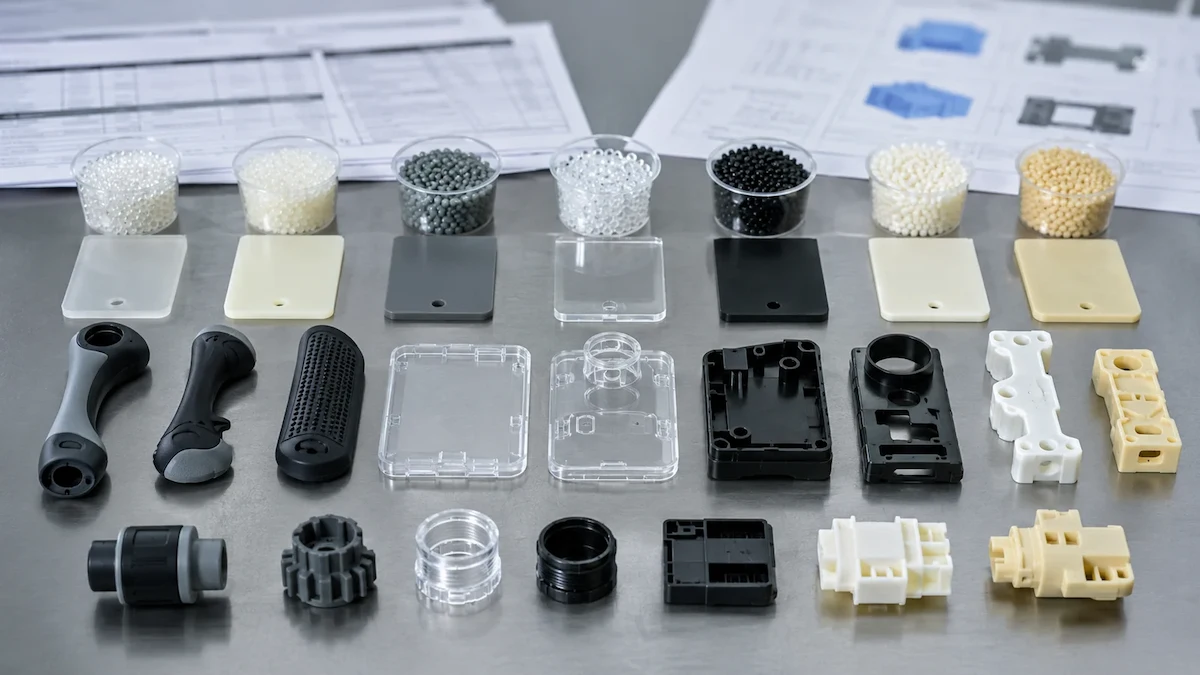
Elevating Premium Accessories & Smart Devices
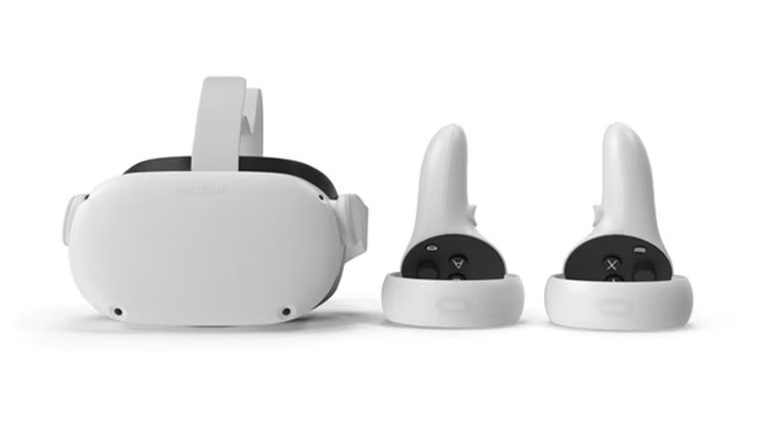
AR/VR & Wearables
Skin-contact TPE face pads and non-slip, breathable controller grips — molded flash-free for a surface that never feels rough against skin.
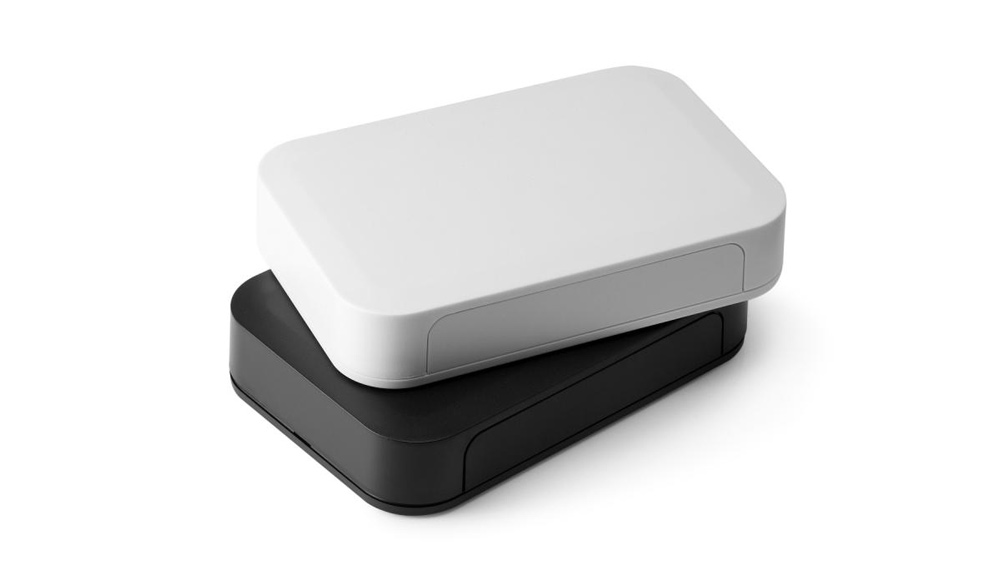
Rugged Device Enclosures
IP67/IP68-rated overmolded seals for industrial IoT sensors and outdoor handheld devices, built to keep water and dust out for the life of the product.
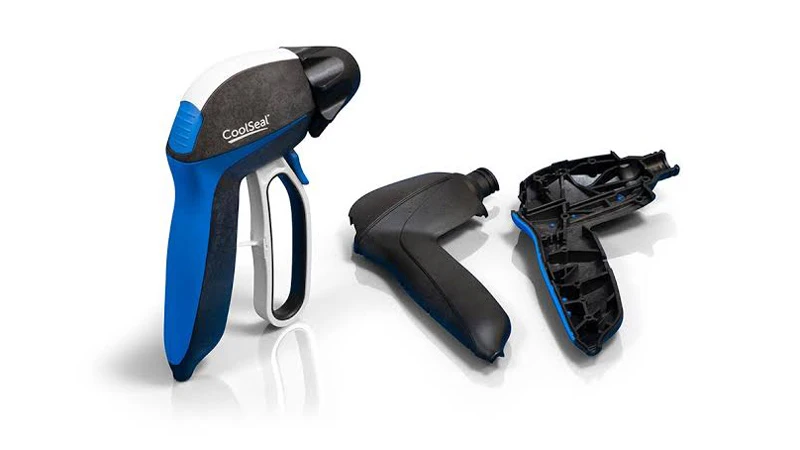
Medical & Ergonomic Hand Tools
Ergonomic, non-slip handles in medical-grade TPE or LSR, sized and textured for a confident grip during repeated use.
Eliminating Overmolding Defects Before They Happen
Two failure modes account for most overmolding rejects, and both are solvable at the DFM stage rather than after tooling is cut. Our guide to molding defects and remedies covers the same root causes in more general detail.
Preventing Flash
The substrate's dimensions have to be tightly controlled before it ever reaches the second mold. We hold rigid-part tolerances to ±0.01mm and fit the shut-off surface precisely around it, so soft material has nowhere to bleed past the edge.
Preventing Short Shots
Flow simulation analysis guides gate placement and venting for the overmold shot, so thin soft-touch sections fill completely instead of freezing off before the cavity is full.
Low-Volume Overmolding Designed for Startups
- 10-Day Rapid MUD Tooling — standard mold frames paired with custom cores cut development time for overmold tooling dramatically compared to a conventional build.
- IP Protection (NDA First) — a confidentiality agreement is standard practice from the moment your CAD file is shared, protecting your core design.
- Seamless Scaling — start with a 1,000-unit pilot run and move into larger automated production later without redesigning the part.