
For a hardware startup or growing consumer brand, selecting a contract manufacturer is the single most consequential operational decision you will make. In the early stages of product development, founders often fall into one of two traps: approaching massive Tier-1 conglomerates that demand 50,000-unit minimum order quantities (MOQs) and treat startups as an afterthought, or hiring tiny, uncertified job shops that offer cheap quotes but lack Design for Manufacturability (DFM) rigor, metrology labs, and intellectual property safeguards.
If you are launching a high-value plastic accessory retailing above $30—such as a rugged smartphone case, an industrial VR/AR headset frame, a crystal-clear trading card slab protector, or a child-resistant enclosure—your ideal partner must bridge the gap between rapid iteration and scalable mass production. Below is an engineering and commercial vetting framework built from YG TECH’s nearly three decades of supporting emerging hardware brands since 1996.
1. Align Manufacturing Processes with Your Startup’s Growth Stage
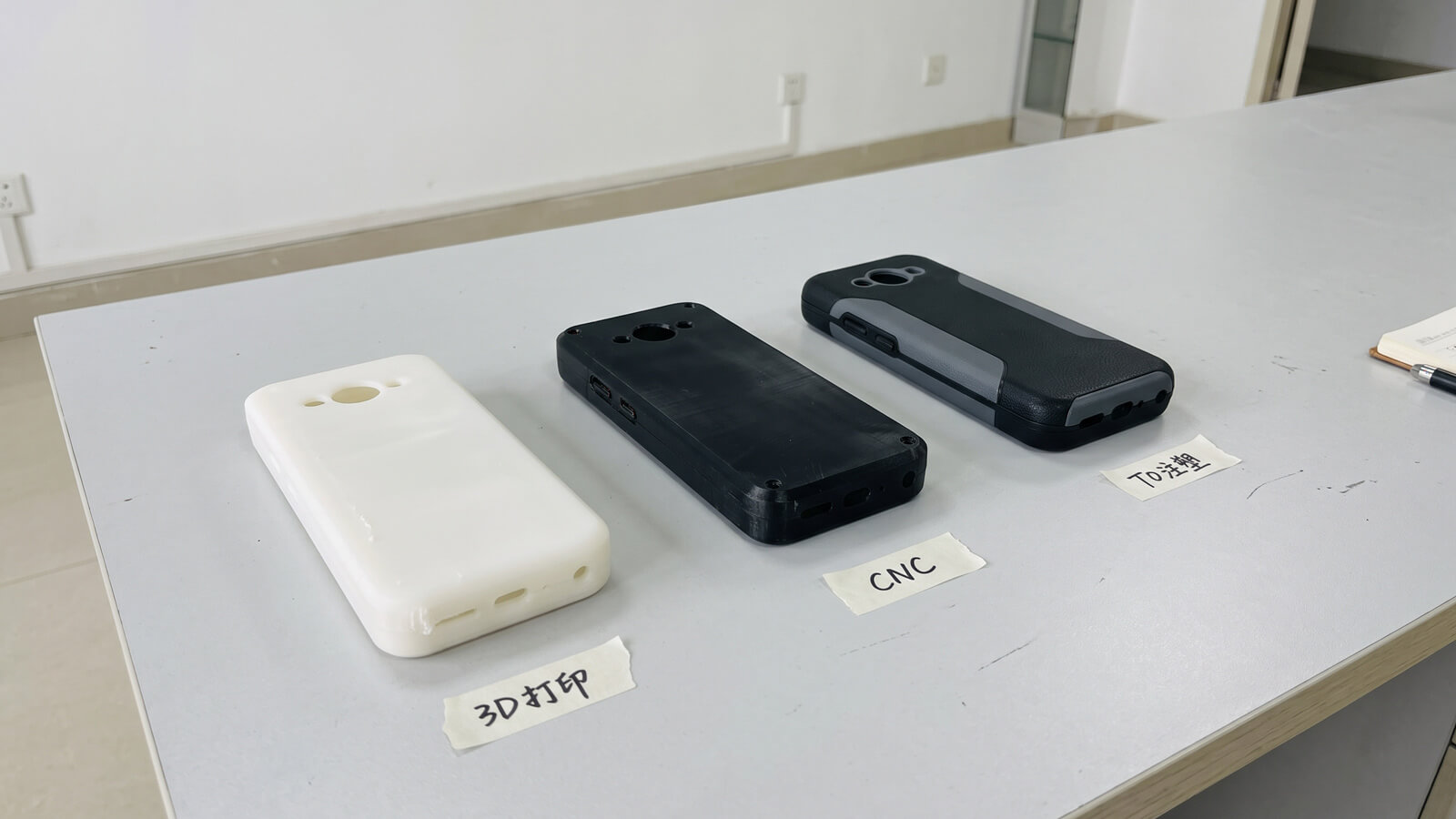
A startup’s production needs evolve rapidly from seed-stage validation to retail fulfillment. Instead of splitting your supply chain across separate prototype shops and mass-production factories—which forces you to redo DFM from scratch at every handoff—choose a partner equipped to support all three stages of your product lifecycle under one roof:
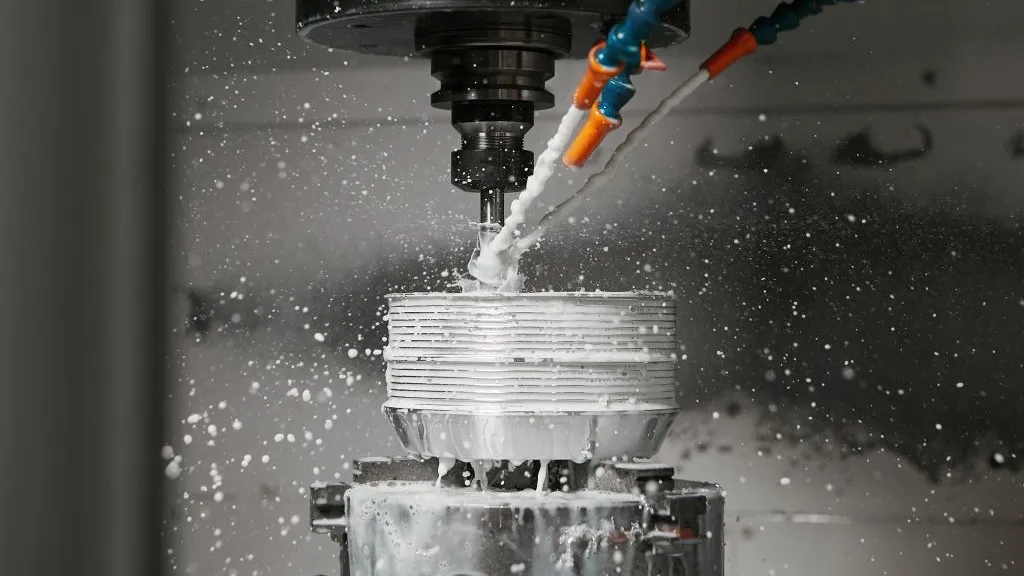
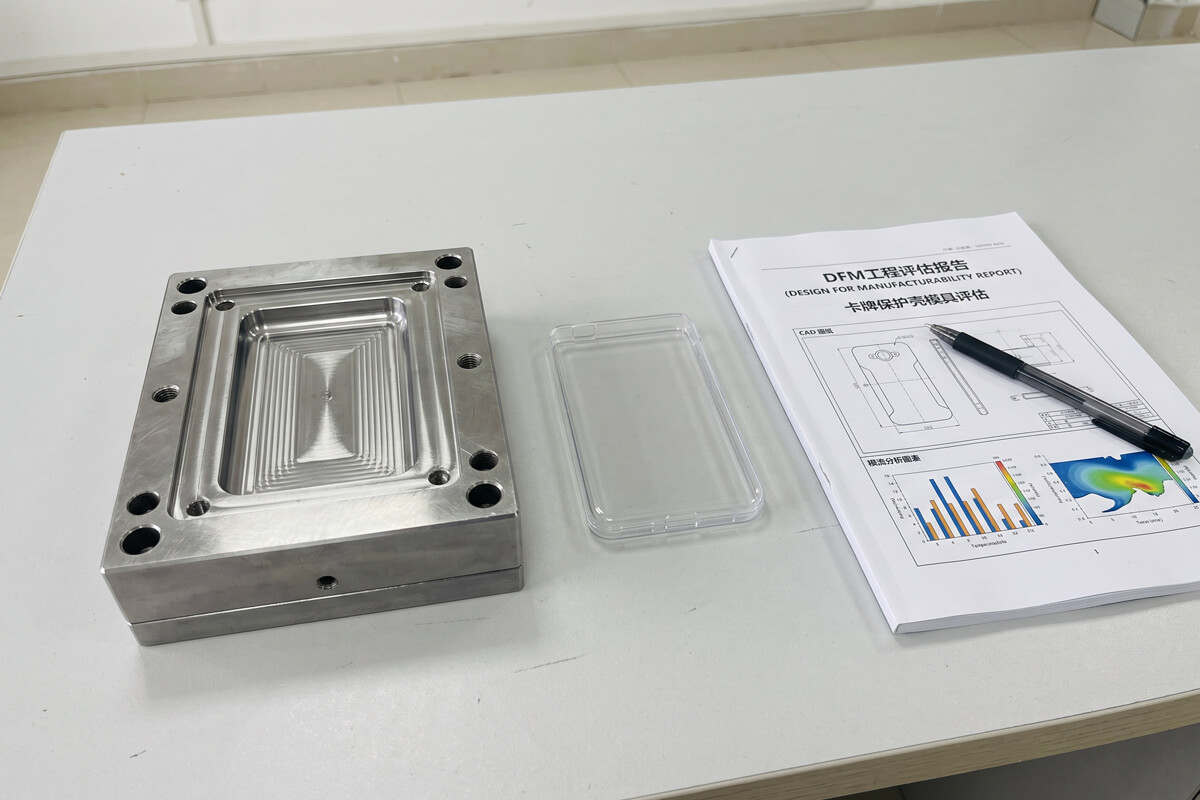
Before cutting steel, utilize rapid prototyping services—combining SLA/SLS 3D printing, 5-axis CNC machining, and silicone vacuum casting—to verify ergonomics, snap-fit mechanics, and simple PCBA board clearances within days.
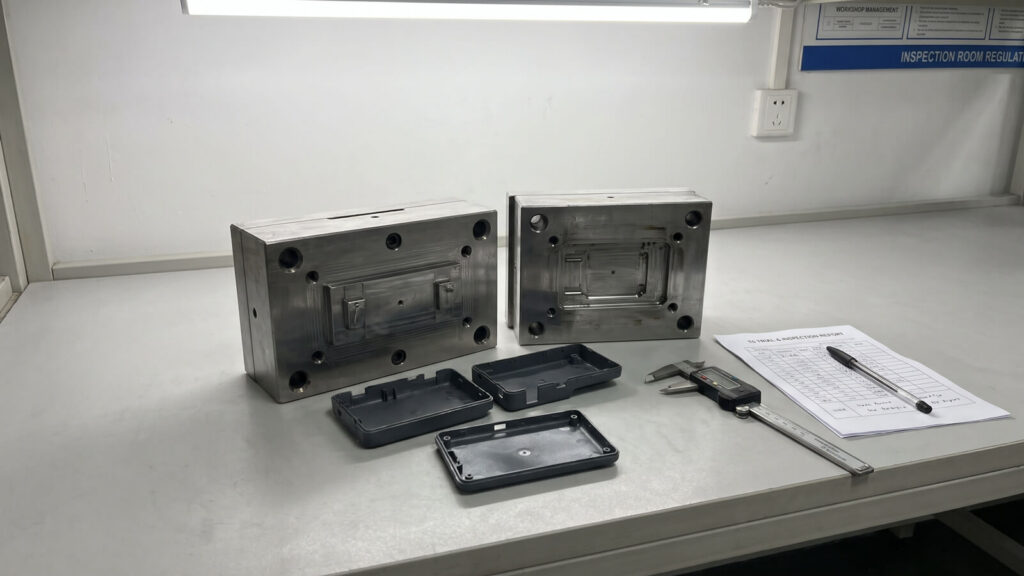
Avoid locking up seed capital in expensive multi-cavity molds. Our MUD (Master Unit Die) rapid tooling services use shared master frames to reduce tooling costs by 30% and deliver real injection-molded T0 samples in as fast as 10 days.
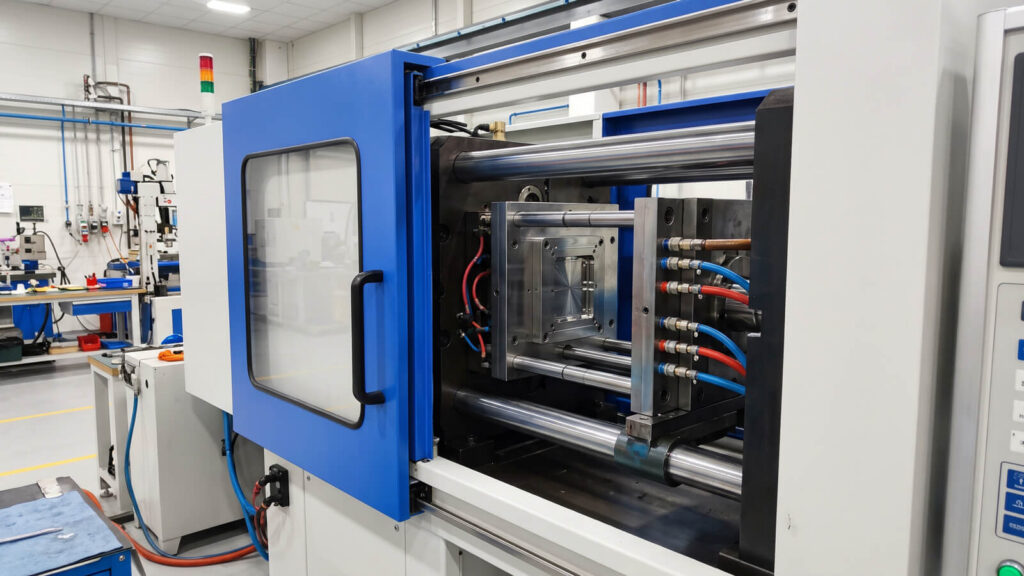
Once market demand is proven, scale into dedicated S136 or H13 steel molds built to ±0.01mm tolerances with a standard lifespan of 300,000 to 500,000 shots across our 130+ injection presses (50T–800T).
Material Versatility & Multi-Material Accessory Expertise
Early-stage hardware designs frequently pivot on material specifications after initial drop or environmental testing. Ensure your manufacturer has proven mass-production experience not just with standard ABS and polycarbonate (PC), but also with specialty engineering polymers like high-temperature PPS, glass-filled nylon, UV-resistant TPU, and platinum-cured LSR/LIM (Liquid Silicone Rubber). Furthermore, if your product requires scratch-resistant graphics or integrated touch circuits, verify that the factory runs in-house 2K overmolding, IMD (In-Mold Decoration), and IM-3D-E (In-Mold 3D Electronics) lines so you do not have to manage multiple secondary vendors.
2. Vet Industry Compliance, Cleanroom Standards, and Quality Systems
When selling into North American, European, British, or Australian retail channels—or fulfilling crowdfunding pledges—compliance failures can halt customs clearance overnight. According to hardware manufacturing benchmarks from the NIST Manufacturing Extension Partnership (MEP), supply chain compliance and quality traceability are among the top factors determining whether a hardware startup survives its first production run.
- International ISO & Sustainability Certifications: Verify active certificates for ISO 9001 (quality management), ISO 14001 (environmental management), RoHS compliance, and ISO 13485 if your enclosure serves medical or wellness applications. For startups positioning around eco-friendly circular materials, YG TECH holds GRS 4.0 (Global Recycled Standard) certification for traceable Post-Consumer Recycled (PCR) plastics.
- Retailer Factory Audits (Amazon & Walmart): As your startup expands from direct-to-consumer (DTC) Shopify sales into big-box retail or major e-commerce marketplaces, partnering with a factory that has already passed Amazon and Walmart factory audits eliminates months of re-qualification delays.
- ISO Class 8 Cleanroom Molding: If your product involves transparent optical polycarbonate (such as PSA graded card protectors or VR visors) or skin-contact liquid silicone, molding in a dusty open workshop leads to embedded black specks and high reject rates. Our ISO Class 8 cleanroom ensures dust-free cosmetic perfection right out of the press.
3. Establish Startup-Specific Selection Criteria: The “Goldilocks” Fit
Why do so many startups struggle with outsourced manufacturing? Because they partner with factories whose business models conflict with startup realities. When evaluating custom injection molding services, compare candidates across these five operational dimensions:
| Selection Criterion | Tier-1 EMS Conglomerate | Small Local / Uncertified Job Shop | YG TECH (Startup-Aligned Factory) |
|---|---|---|---|
| Minimum Order Quantity (MOQ) | 25,000 – 100,000+ pcs per SKU | Flexible, but lacks scaling capacity | 1,000 pcs standard MOQ (scales to 500k+) |
| Tooling Speed & CapEx | High CapEx Class-101 molds; 8–12 weeks | Outsources tooling; poor ±0.05mm tolerances | MUD Rapid Tooling (-30% cost, 10-day T0) | ±0.01mm |
| Engineering & DFM Support | Slow bureaucracy; rigid change orders | Builds blindly to file without Moldflow check | Direct 1-on-1 engineer access; 24h DFM feedback |
| Press Fleet & Cleanroom | Bumpersstartup jobs for Fortune 500 runs | 5–15 aging hydraulic presses; no cleanroom | 130+ presses (50T–800T) + ISO Class 8 Cleanroom |
| Case Study Track Record | Confidential enterprise components | Low-end commodity plastic parts | Proven case studies in VR, keyboards & cases |
Send us your 3D CAD files under an upfront NDA. Our engineering team will review your draft angles, snap-fits, and parting lines—and provide a side-by-side quote for 10-day MUD rapid tooling vs. mass-production steel molds.
4. Evaluate Cost Transparency, MOQs, and Cash-Flow Flexibility
Cash flow is the lifeblood of any startup. When reviewing supplier quotations, look past the headline unit price and audit the underlying cost structure for hidden fees and working-capital traps:
- Itemized, Transparent Quotations: A trustworthy manufacturer breaks down tooling costs (steel grade, cavity count, slider mechanisms, VDI surface textures) separately from unit piece prices (resin cost per gram, cycle time, secondary finishing, and packaging). This transparency lets you see exactly how design tweaks impact your bill of materials (BOM).
- Startup-Friendly 1,000-Piece Standard MOQ: Ordering 20,000 units of a Version 1.0 product ties up cash in warehouse inventory and prevents you from iterating based on early customer feedback. Our 1,000-unit standard MOQ lets you launch lean, test multiple colorways (CMF), and reorder dynamically as demand accelerates.
- Incoterms & Evolving Payment Terms: International freight and customs clearance can overwhelm a lean founding team. We prioritize transparent EXW or door-to-door DDP (Delivered Duty Paid) shipping straight to your 3PL warehouse in the US, UK, Canada, Europe, or Australia. Furthermore, our payment structures scale with your growth—supporting 100% upfront for rapid prototypes, standard 50% deposit for initial production, and Net 30 credit terms for qualified recurring partners.
5. Lock Down Contracts, IP Protection, and Closed-Loop Risk Management
Before wiring a tooling deposit or transferring native SolidWorks assemblies, protect your startup’s core assets by enforcing four contractual baselines (Source: Plastics News):
We sign a formal Non-Disclosure Agreement before you upload your 3D STEP files. Your CAD files, custom mold inserts, and T0 samples are strictly ring-fenced inside our internal project management system and never displayed in public showrooms without explicit permission.
Beware of suppliers who quote artificially low mold prices but retain legal title to the tool. At YG TECH, once tooling is paid in full, 100% of the mold ownership belongs unconditionally to you—complete with a riveted client asset plate and free lifetime storage during active production.
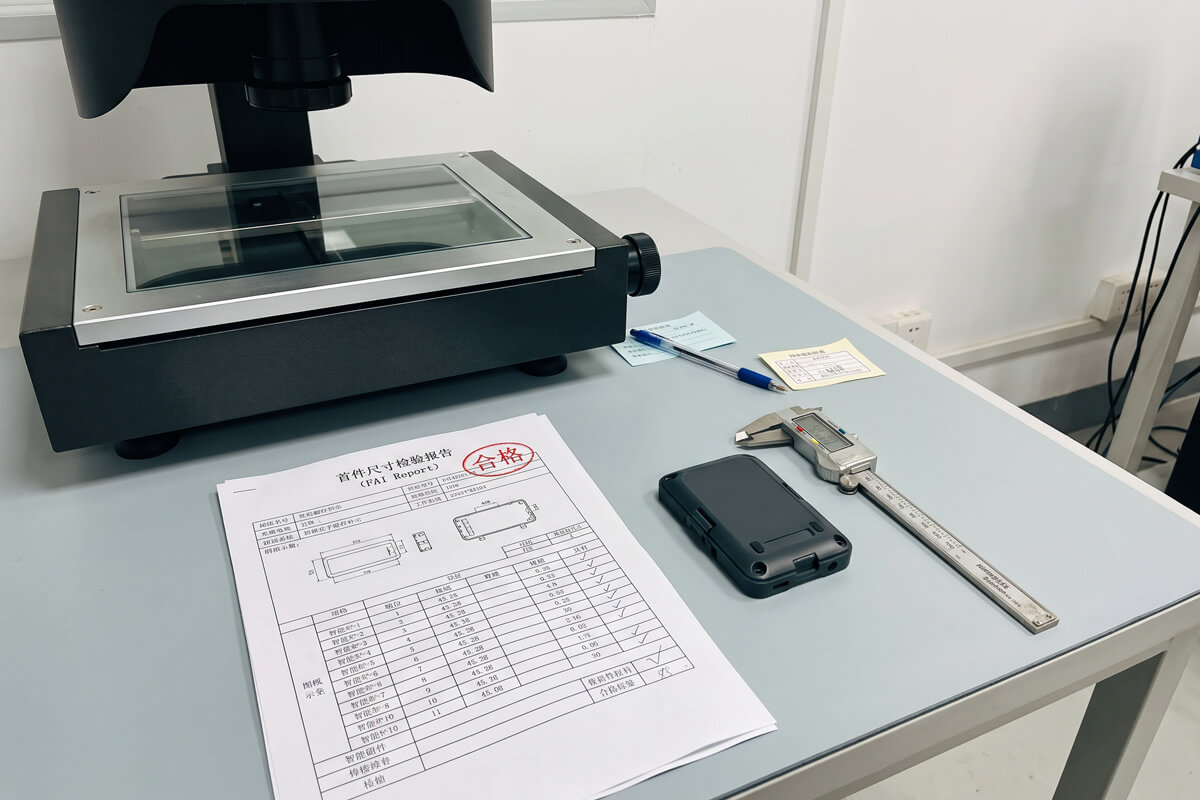
If a dimensional or cosmetic defect arises during pilot or mass production, blindly shipping replacement parts without fixing the cause only repeats the failure. We enforce a closed-loop protocol: tracing resin lots, auditing scientific molding curves, and executing collaborative steel-safe mold adjustments.
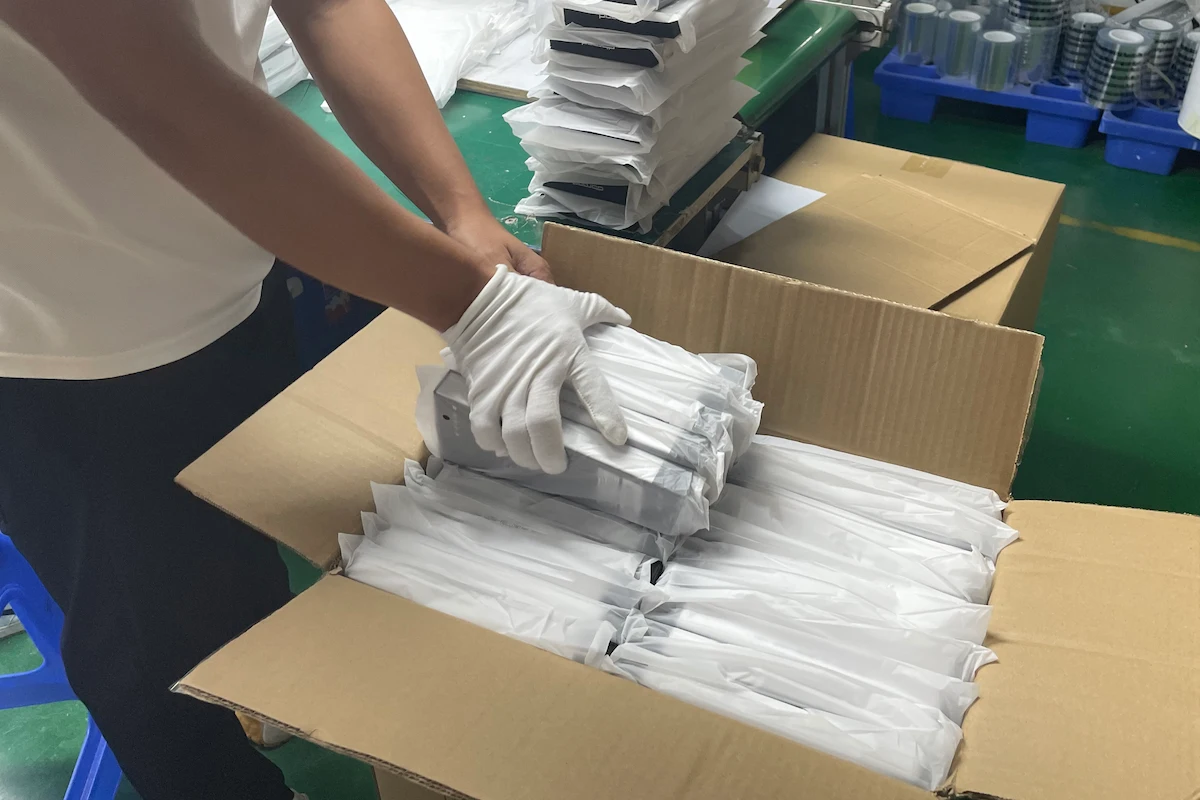
Eliminate multi-factory finger-pointing by consolidating plastic molding, ultrasonic welding, laser etching, pad printing, simple PCBA drop-in integration, and retail box packaging under one quality umbrella.
Scale Your Hardware Startup With an Engineering-First Partner
Skip the middlemen and conglomerate MOQs. Whether you need 10-day MUD rapid tooling to fulfill your initial launch batch or cleanroom multi-material molding for a $30+ retail accessory, our project engineers are ready to review your CAD files.