
Selecting a contract manufacturer for custom plastic parts is rarely straightforward for growing hardware brands and mid-sized product teams. Global demand for molded polymers continues to expand—with the global injection molded plastic market reaching USD 362.5 billion in 2025 and projected to hit USD 367.0 billion in 2026 (Source: Grand View Research). Yet for sourcing managers and mechanical engineers launching high-value accessories—such as rugged smartphone cases, industrial VR/AR headsets, graded trading card slab protectors, or child-resistant enclosures retailing above $30—the biggest risk is not a lack of suppliers. It is partnering with a factory whose scale, tooling philosophy, or quality system does not match your product lifecycle.
Tier-1 automotive conglomerates often lock emerging brands into rigid minimum order quantities and slow engineering change orders. Conversely, small job shops frequently lack optical metrology, cleanroom environments, or multi-material capabilities. In our engineering reviews across hundreds of new product introduction (NPI) programs since 1996, we have found that vetting a long-term manufacturing partner comes down to five measurable pillars: press infrastructure, tooling economics, DFM rigor, closed-loop quality control, and commercial asset protection.
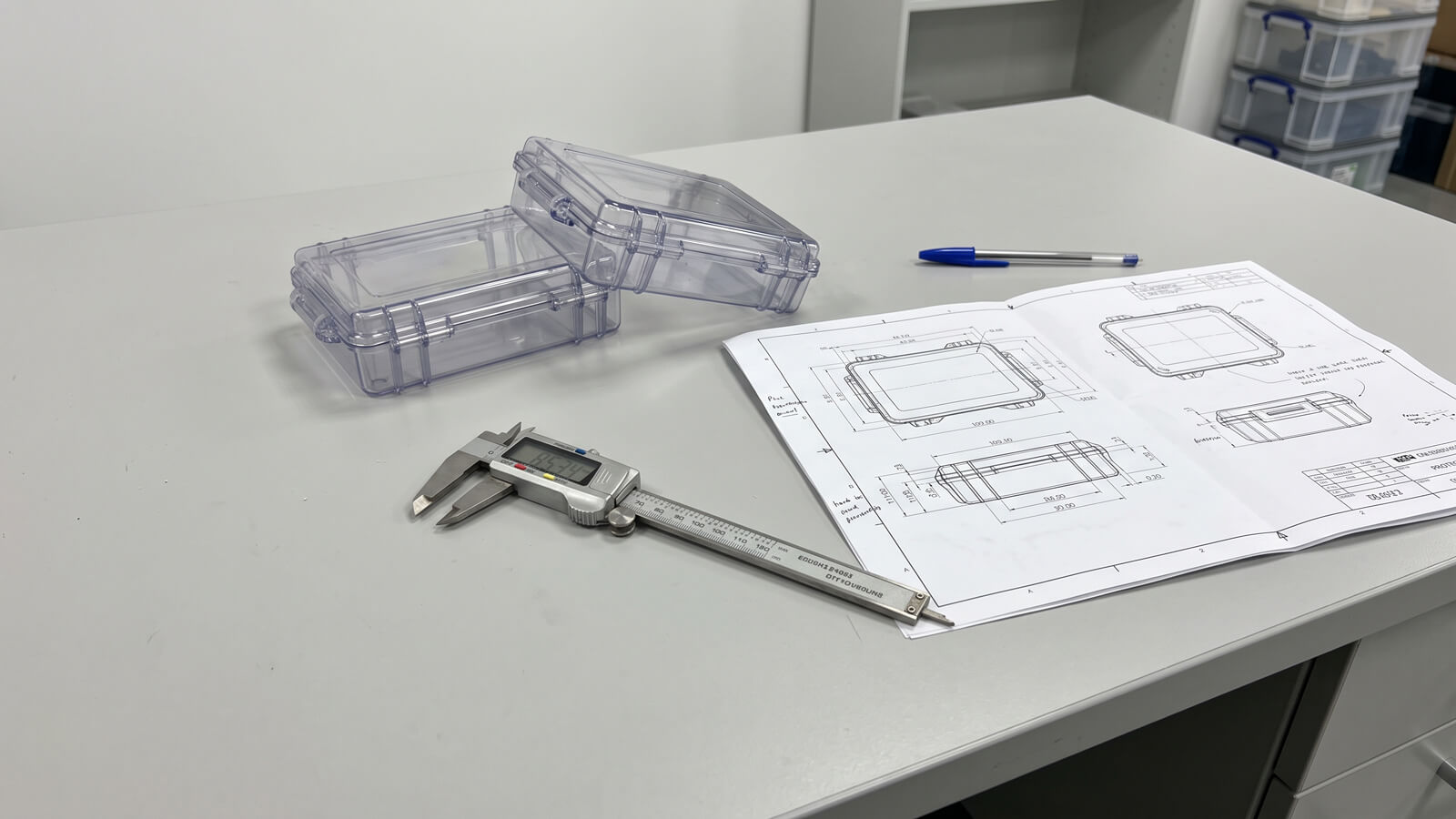
Ideal Partner Profile for Agile Brands & Startups
- Direct Engineering Access: Short decision chains with upfront DFM feedback within 24–48 hours.
- Accessory Specialization: Deep expertise in cosmetic housings, protective cases, and simple PCBA assembly.
- Bridge-to-Scale Tooling: Supports MUD rapid tooling (10-day T0 samples) and 1,000-unit MOQs.
- 100% Tool Ownership: Clear contractual transfer of mold title upon full payment.
Warning Signs of a Misaligned Supplier
- Middleman Opacity: Trading companies masking as factories without in-house CNC or EDM toolrooms.
- Rigid Volume Demands: Forcing 50,000+ unit MOQs or expensive multi-cavity steel molds during pilot validation.
- Zero DFM Pushback: Quoting directly from a STEP file without flagging undercut or sink-mark risks.
- Hostage Tooling Clauses: Ambiguous contracts that charge hidden “mold removal fees” if you relocate production.
1. Auditing Core Press Infrastructure, Tonnage Range, and Cleanroom Environments
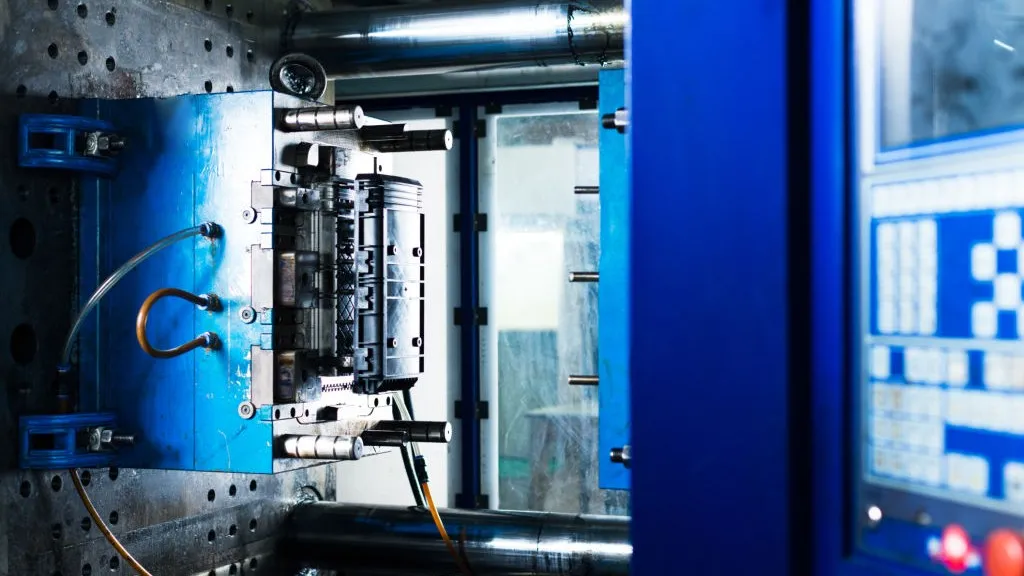
A supplier’s equipment list tells you immediately whether your parts will be prioritized or squeezed onto sub-optimal machines. Running a small, tight-tolerance wearable bezel on an oversized 650-ton press leads to excessive residence time and polymer degradation. Conversely, molding a thick-walled industrial enclosure on an under-powered machine results in flash and short shots.
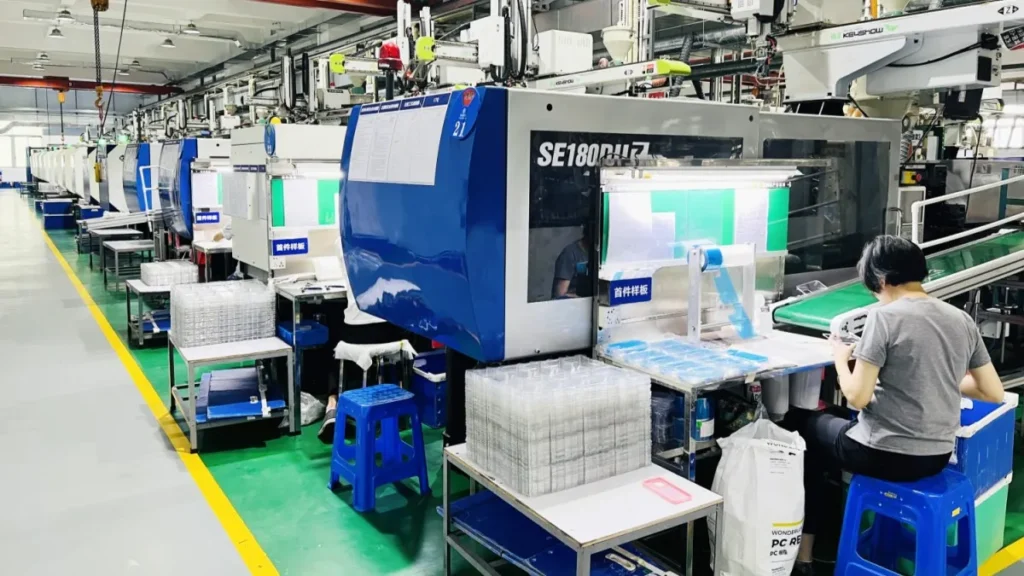
When auditing plastic injection molding services, verify both total press count and clamping force distribution. A balanced contract manufacturer operating 130+ injection molding machines across a 50T to 800T clamping range can assign the exact barrel capacity and screw geometry your part requires while maintaining backup capacity during peak retail seasons.
Equally important is environmental control and resin versatility. Many buyers assume ISO Class 8 cleanrooms are reserved strictly for medical disposables. In practice, molding high-value consumer accessories—such as crystal-clear polycarbonate trading card slab protectors, optical VR visors, or platinum-cured Liquid Silicone Rubber (LSR) seals—inside a standard dusty workshop introduces embedded black specks that ruin cosmetic yield. Confirm that your partner operates an ISO Class 8 cleanroom alongside standard molding bays, and verify their mass-production track record with specialty engineering polymers including PPS, optical PC, UV-resistant TPU, and glass-filled nylon.
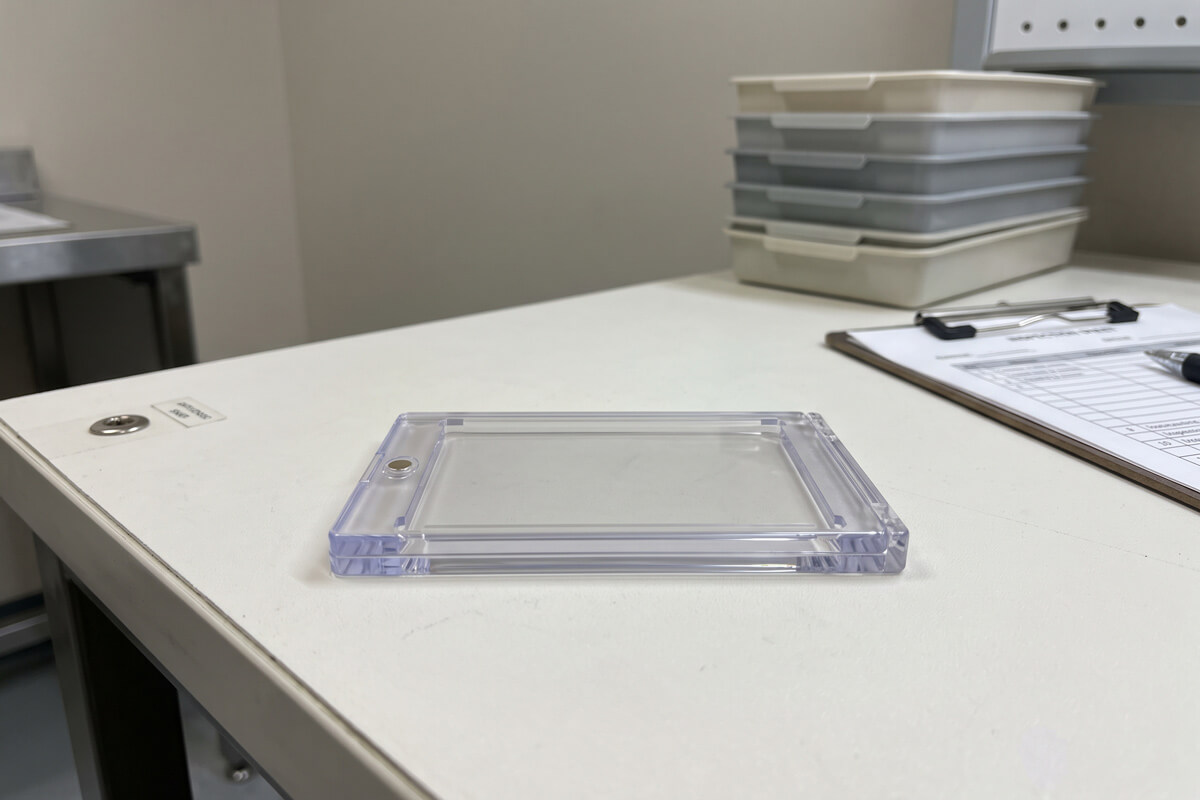
2. Evaluating Tooling Architecture: MUD Rapid Tooling vs. Dedicated Steel Molds
Tooling represents the single largest upfront capital expenditure in custom molding. Under the mold classification standards established by the Plastics Industry Association (formerly SPI), molds range from Class 101 (built for 1,000,000+ cycles using hardened tool steels) down to Class 104 (low-volume bridge molds under 100,000 cycles). For most SMEs and hardware startups, paying $60,000+ for a Class 101 mold before market validation is an unnecessary financial drain.
Instead, evaluate whether the manufacturer offers a tiered tooling roadmap:
- MUD (Master Unit Die) Rapid Tooling for Validation & Bridge Runs: By utilizing a standardized master mold base and machining only the custom core and cavity inserts, rapid tooling services reduce upfront tooling investment by up to 30% and deliver production-grade T0 samples in as fast as 10 days. This allows engineering teams to test real thermoplastic properties—such as snap-fit fatigue and drop impact—that 3D printing cannot replicate.
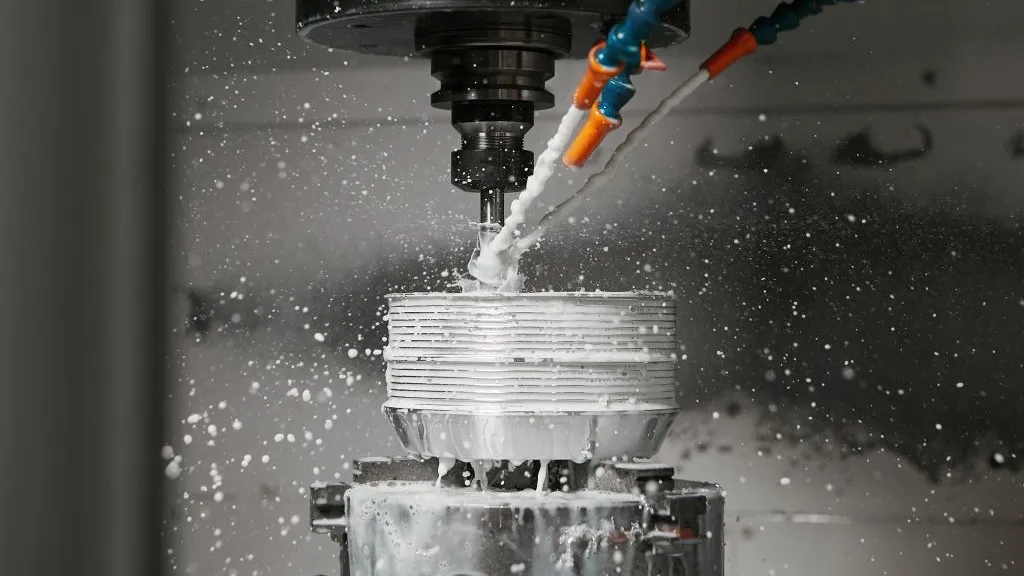
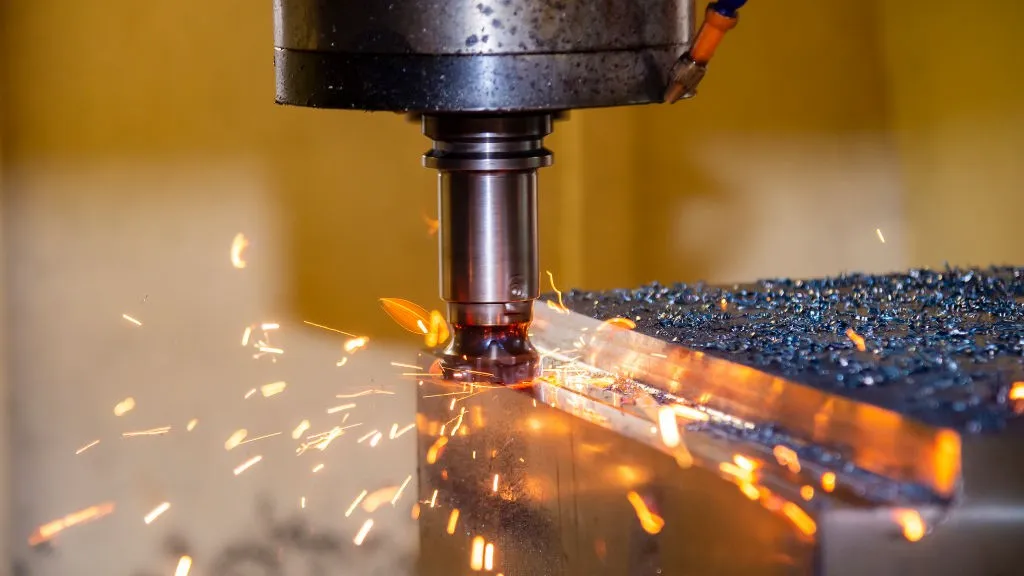
- Precision Hardened Steel Molds for Mass Production: Once demand scales, dedicated in-house injection mold manufacturing should maintain standard machining tolerances of ±0.01mm using CNC, mirror EDM, and slow-speed wire-cut equipment. A well-engineered production mold typically carries a standard lifespan of 300,000 shots and can be heat-treated to reach 500,000 shots.
Tooling Economics & Speed Comparison Across NPI Stages
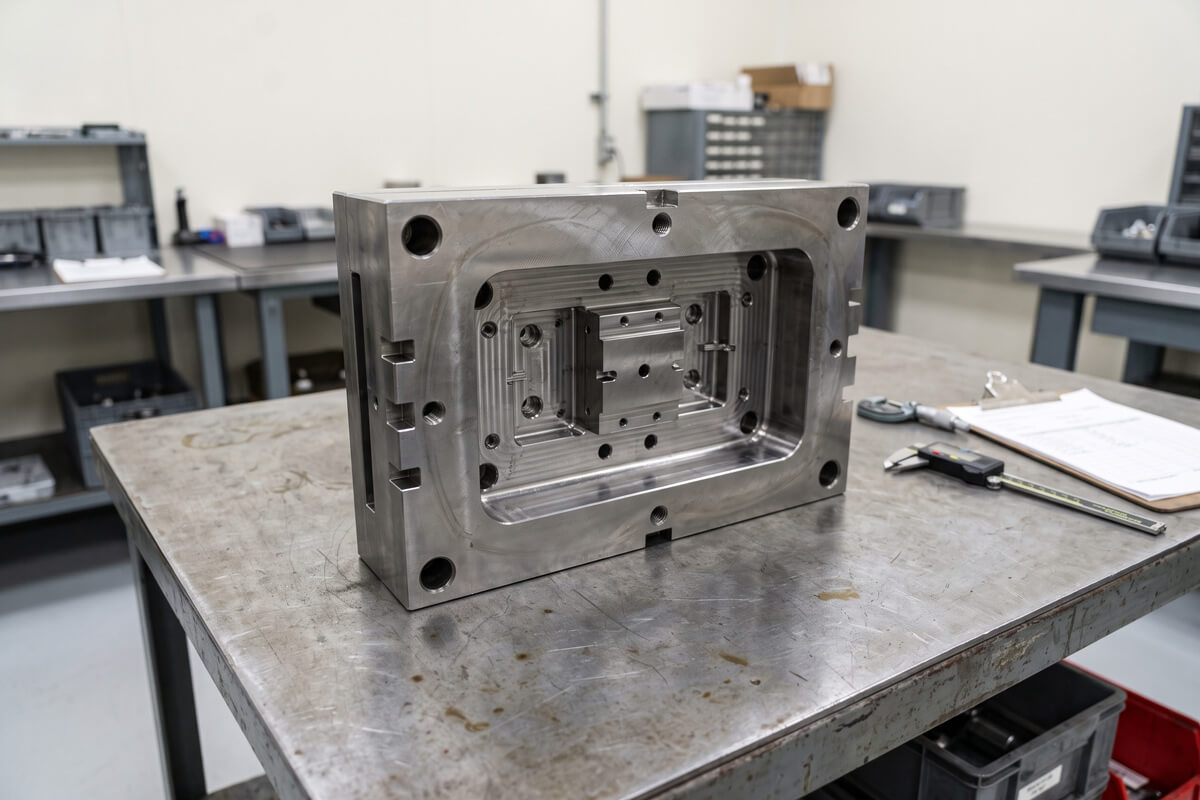
3. Assessing DFM Rigor and Multi-Material Process Integration
A capable contract manufacturer never treats your CAD file as a passive blueprint. Before steel is ordered, their project engineers should run a comprehensive Design for Manufacturability (DFM) and Moldflow simulation. During your supplier evaluation, ask to review a sanitized sample DFM report from a past project. It should explicitly address parting line placement, ejector pin locations, draft angles on textured walls, rib-to-wall thickness ratios to prevent sink marks, and gate positioning to keep weld lines away from high-stress snap hooks.
Furthermore, modern high-margin accessories rarely consist of a single mono-material shell. If your product combines a rigid polycarbonate frame with a shock-absorbing elastomer bumper, relying on separate factories for molding and secondary bonding multiplies tolerance stack-up and logistics delays. Look for a partner with integrated specialty processes under one roof:
- Two-Shot & Overmolding / LSR Molding: Chemical and mechanical bonding of rigid substrates (PC, ABS, PA) with soft-touch TPU, TPE, or Liquid Silicone Rubber via precision overmolding service lines for waterproof and drop-resistant enclosures.
- IMD (In-Mold Decoration): Embedding scratch-resistant graphics, woodgrains, or carbon-fiber patterns permanently inside the resin layer during the molding cycle.
- IM-3D-E (In-Mold 3D Electronics): Integrating simple PCBA modules, antennas, LED carriers, or capacitive touch circuits directly into structural plastic housings to reduce assembly part count and product weight.
Not Sure If Your CAD Is Ready for Tooling?
Upload your STEP or IGES files under a strict upfront NDA. Our senior mold engineers will review wall thickness, draft angles, and MUD rapid tooling compatibility within 24 hours.
4. Verifying Quality Systems, Metrology, and Closed-Loop Issue Resolution
Anyone can print an ISO certificate on a sales deck, so your audit needs to look at how quality is enforced on the press floor. Start by verifying active certifications relevant to your target markets: ISO 9001 for quality management, ISO 14001 for environmental management, ISO 13485 for medical-grade traceability, RoHS for hazardous substance compliance, and GRS (Global Recycled Standard) if your brand uses post-consumer recycled resins to meet tightening global packaging and circular-economy rules (Source: Coherent Market Insights). Additionally, if you sell through major retail channels in North America or Europe, partnering with a factory that has already passed Amazon and Walmart factory audits saves months of compliance onboarding.
Next, inspect their metrology lab. Precision tolerances of ±0.01mm cannot be verified with handheld calipers alone. A qualified facility should deploy 3D Coordinate Measuring Machines (CMM), 2.5D optical vision systems, birefringence stress analyzers for transparent parts, programmable temperature-humidity chambers, and carton vibration testers across IQC, IPQC, and OQC stages.
“When interviewing a potential molding partner, ask how they handle a dimensional non-conformance. If their immediate answer is ‘we will simply replace the defective batch,’ walk away. Without root-cause engineering, the replacement batch will carry the exact same defect.”
Instead, insist on a closed-loop quality resolution protocol: batch-level resin lot traceability, scientific molding parameter logs (melt temperature, cavity pressure, cooling time), root-cause investigation, and collaborative corrective actions—whether that means tuning packing pressure or executing a steel-safe mold modification before resuming production.
5. Reviewing Commercial Transparency, Tooling Ownership, and Supply Chain Agility
Technical capability means little if commercial terms strangle your cash flow or expose your intellectual property. When finalizing your evaluation of custom injection molding services, lock down three foundational commercial baselines in writing:
NDA & 100% Mold Ownership
Execute a binding NDA prior to sharing native CAD files. Upon full tooling payment, 100% legal title and physical ownership of the mold must belong unconditionally to the client, serialized with a dedicated asset plate.
1,000-Piece Standard MOQ
Avoid inventory bloat with a practical 1,000-unit minimum order quantity per production run, paired with transparent EXW or door-to-door DDP delivery options for North American, European, and Australian warehouses.
Adaptable Payment Terms
Structured terms that evolve with your business—supporting 100% upfront for rapid prototype runs, standard 50% deposit / 50% pre-shipment for initial orders, and Net 30 credit terms for qualified recurring partners.
Summary Audit Scorecard for Sourcing Teams
| Audit Dimension | Baseline Engineering Requirement | YG TECH Operational Standard |
|---|---|---|
| Molding Capacity & Environment | Multi-tonnage fleet + dust-free bay for clear/LSR parts | 130+ machines (50T–800T) + ISO Class 8 Cleanroom |
| Tooling Speed & Precision | Bridge tooling option + tight EDM/CNC tolerances | MUD rapid tooling (10-day T0, -30% cost) | ±0.01mm tolerance | 300k–500k shots |
| Specialty Processes | Multi-material & surface integration under one roof | Two-shot overmolding, LSR/LIM, IMD, IM-3D-E, PPS & optical PC |
| Certifications & Audits | Verifiable ISO management & retail compliance | ISO 9001 / 14001 / 13485, RoHS, GRS, Amazon & Walmart audited |
| Commercial & IP Terms | Client tool ownership, low MOQ, closed-loop QA | Upfront NDA, 100% client mold title, 1,000 pcs MOQ, EXW/DDP, flexible Net 30 |
Ready to Benchmark Your Next Plastic Accessory Project?
Whether you are validating a new hardware concept with 1,000 pilot units or scaling a multi-material protective enclosure, our engineering team provides transparent tooling breakdowns and actionable DFM feedback.