

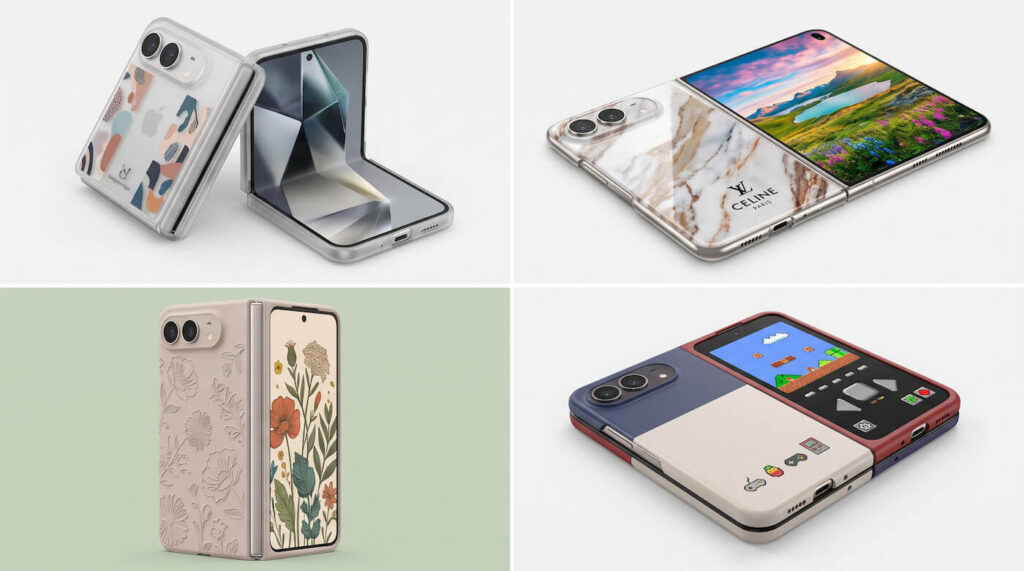
Apple’s first foldable iPhone launched on September 9, and preorders open October 16 — which gives accessory brands roughly four weeks to have a case ready before the device is in customers’ hands. First-wave accessories for a genuinely new form factor typically command premium pricing, often landing in the $30–$80 range rather than the $15–$20 a standard iPhone case sells for, simply because there’s no established competition yet and early buyers expect to pay for it. That window closes fast, though, and it closes faster than most teams expect: a conventional tooling cycle runs 30 to 45 days before a single sample exists, which means a brand starting from scratch today wouldn’t see a finished mold until after the device has already been on shelves for weeks.
The device itself doesn’t make this easier. A titanium frame, a book-style hinge running the length of the spine, a physical Touch ID button standing in for Face ID, and dual displays all mean a case built on the assumptions of a flat, single-screen iPhone won’t transfer over cleanly. Every one of those differences touches a different part of the mold design, which is exactly why the fastest path to market isn’t skipping steps — it’s compressing the right ones.
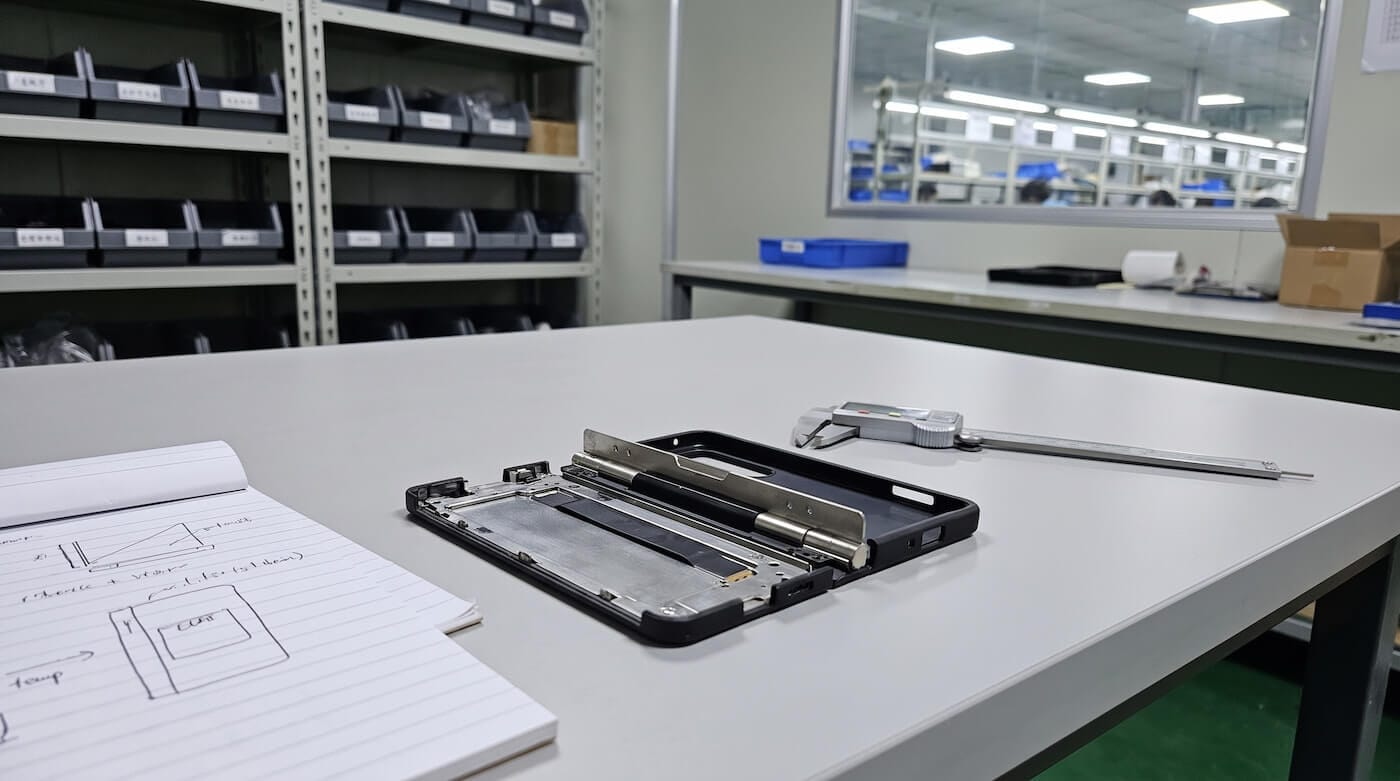
The upside is that most of what makes a Duo case hard to build is solvable with the right process choices rather than a longer timeline. This is what we’d actually recommend to a brand trying to have inventory ready near launch.
The Three Engineering Problems Every Duo Case Has to Solve
A book-style foldable changes the case design brief in ways a standard candy-bar iPhone never did. With a titanium frame, a hinge running down the spine, and a physical Touch ID button in place of Face ID, a case built with standard-iPhone assumptions is likely to fit poorly, feel cheap, or wear out fast. Three problems show up first.
| Challenge | Where Standard Cases Fail | How We’d Approach It |
|---|---|---|
| Hinge fit & deformation control | Oversized gaps at the fold cause rattling or binding as the case flexes | Mold fitting held to roughly ±0.01mm so both halves stay flush through the full fold cycle |
| Grip on a titanium frame | Rigid PC alone slides on a polished metal frame; standard TPU can yellow over time | LSR (liquid silicone) or two-shot overmolding for a grip layer that stays clear and tactile long-term |
| Premium finish that justifies $30+ | Painted or coated finishes chip and scratch within weeks of daily folding | IMD or IM-3D-E, sealing pattern and texture inside the part rather than on top of it |
| Thermal management | Traps heat generated by dual screens and a titanium frame | Integrate micro thermal channels or specific textures on the inner shell without compromising structural integrity |
The hinge is genuinely the one that separates a case that photographs well from one that survives daily use. Every fold and unfold puts the case’s own material through repeated flex at exactly the seam where two halves meet, and a tolerance that’s fine on a rigid, single-piece case becomes a wear point on a hinged one within a few hundred cycles if it isn’t controlled from the mold design stage — not fixed later with assembly-line adjustments. A phone that’s designed to be folded and unfolded dozens of times a day means the case has to survive tens of thousands of cycles within its first year alone, which is a very different design target than a case that just needs to snap on once and stay put.
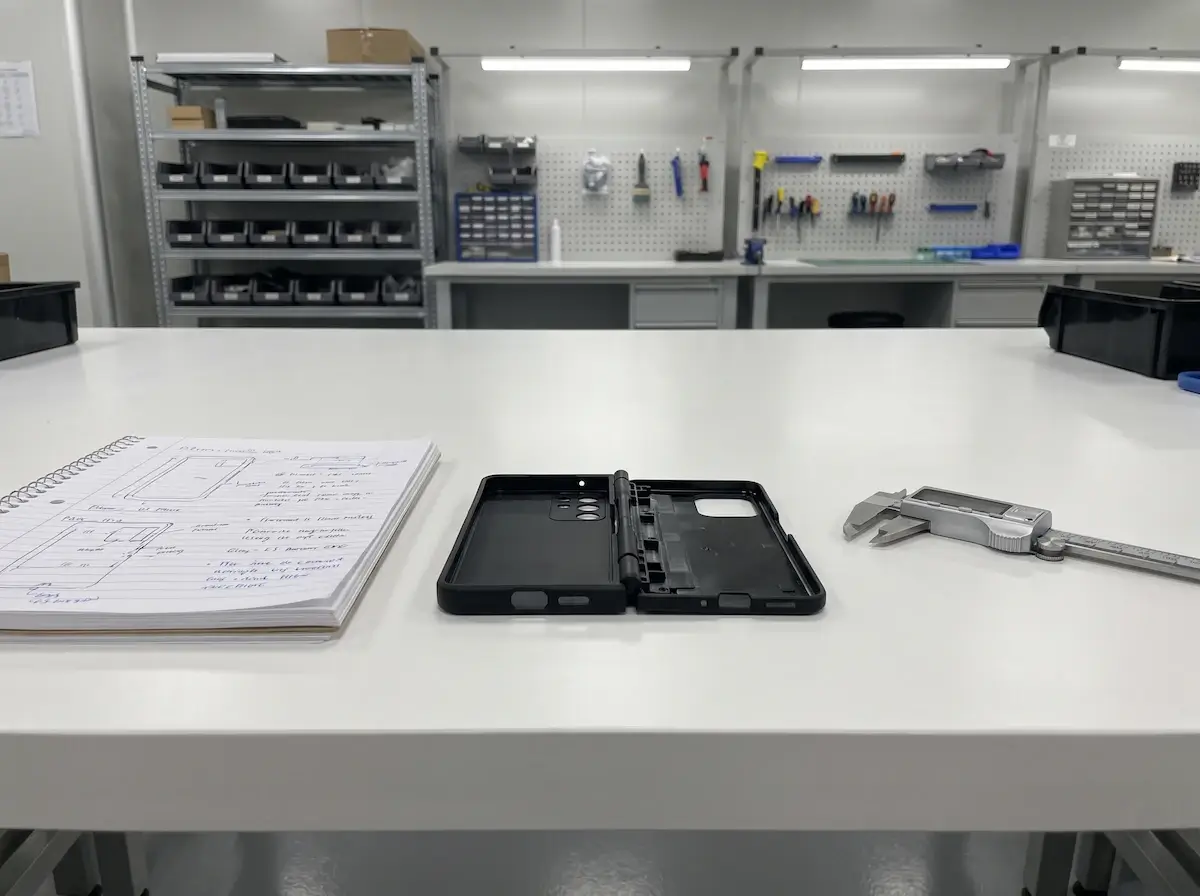
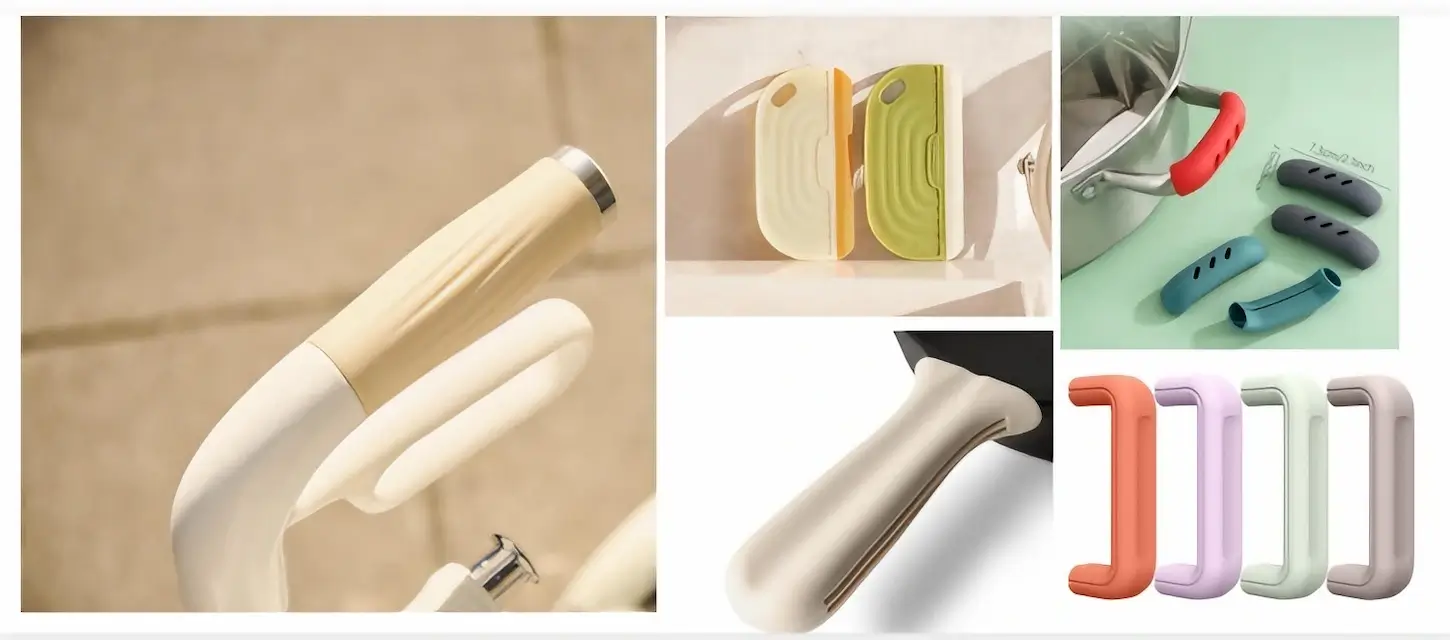
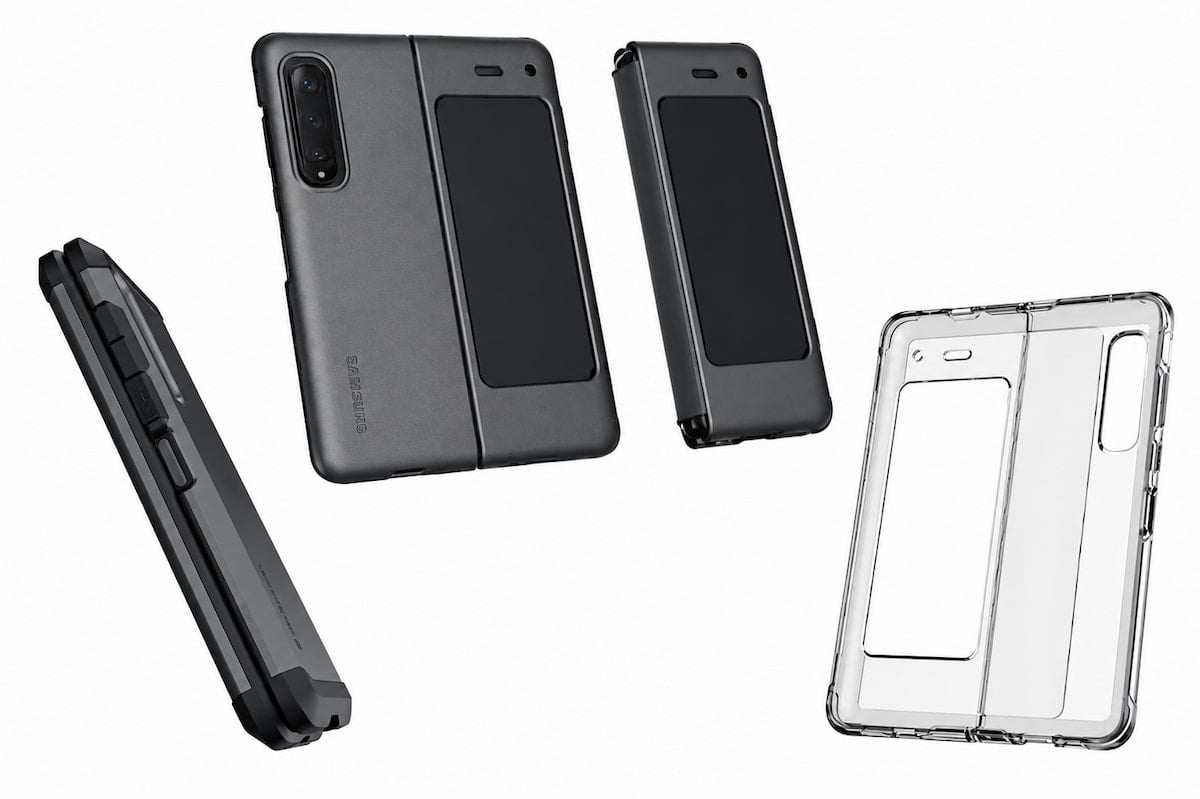
Grip matters differently on this device than it did on a flat iPhone, mostly because a titanium frame is smoother and slicker than the aluminum or stainless steel bands on past models. A rigid shell alone tends to slide against it rather than seat firmly, which is exactly the gap LSR and two-shot overmolding are built to close — a soft, grippy layer bonded directly to the rigid shell rather than relying on friction against bare metal. While rigid PC (polycarbonate) provides essential structural strength, using it exclusively on hinge covers can lead to cracking or snapping over time due to repeated stress. In contrast, incorporating flexible TPU/TPE blends or engineering a custom material ratio not only absorbs the flex stress but also maintains a smooth, premium feel during the opening and closing action. Getting that bond to hold up over months of daily folding, rather than peeling at the edges after a few weeks, comes down to the same resin-compatibility and mechanical-interlock principles covered in our overmolding guide — the stakes are just higher here because the grip layer sits directly at the fold line, taking on flex stress a flat case grip never has to handle.
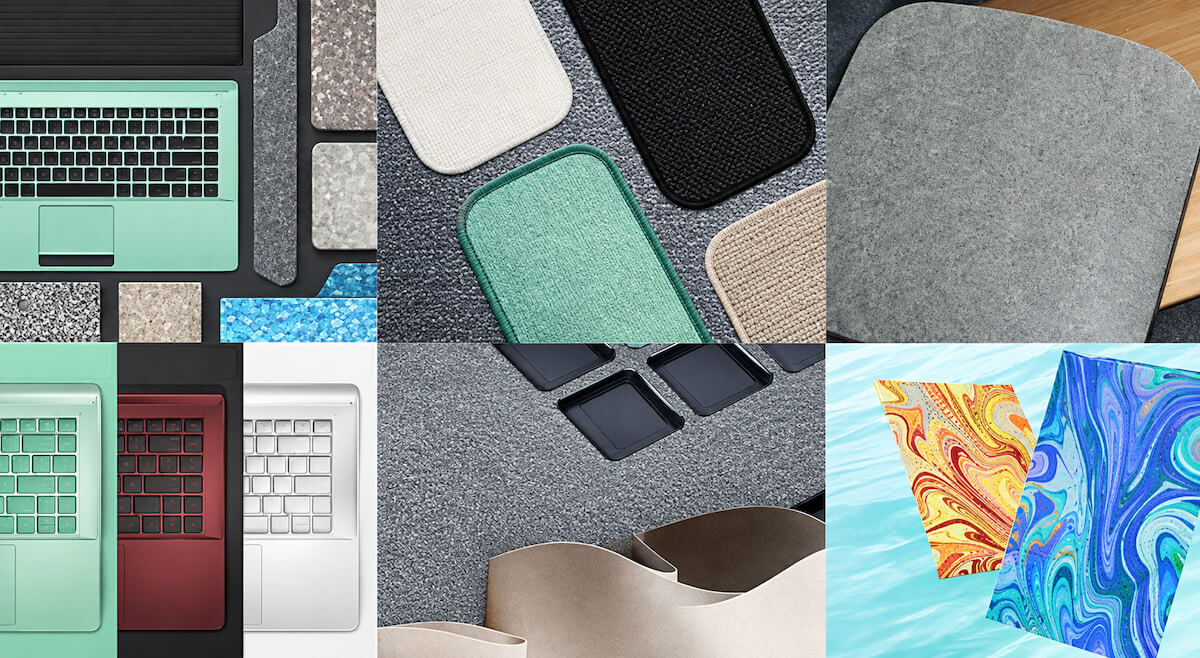
The appearance question is where most of that $30–$80 premium actually gets earned or lost. A printed or coated pattern sits on top of the part and wears through at the fold and the edges within weeks of daily use — exactly the areas a foldable case flexes hardest. IMD (in-mold decoration) and IM-3D-E instead seal the pattern or texture inside a film layer during the molding shot itself, so the decorative layer isn’t sitting exposed on the surface waiting to scratch off. For example, high-end textures like carbon fiber weaves, marble patterns, or complex geometric designs that offer a 3D optical illusion can be seamlessly integrated. Because the design is protected beneath the surface resin, these premium finishes remain pristine even after tens of thousands of folding cycles, directly supporting a higher retail price point. It’s the same principle behind keeping a clear or cosmetic surface looking new well after the first few weeks of handling — our case study on a clear protective accessory covers a related version of this problem, where surface durability and a premium hand-feel both had to survive daily handling without a coating that could eventually peel.
From CAD to Market Before the Preorder Window Closes
The honest constraint on a first-wave accessory isn’t the engineering — it’s the calendar. A standard production mold, built in hardened steel with a full mold base, takes 30 to 45 days before it’s even ready to sample, which means starting that process today would land finished tooling somewhere around the device’s launch date, not before it. MUD (Master Unit Die) tooling changes that math by machining only the core and cavity insert into a shared, reusable mold base rather than building a complete mold from scratch — cutting both cost and lead time without touching part quality, since the cavity itself is still built to the same tolerance. On a relatively contained part like a phone case shell, that difference is usually the entire gap between having stock before preorders open and missing the window completely.
That timeline only holds up if quality checks happen inside it rather than after it — a T1 sample tray that’s approved on a quick visual look, without real dimensional inspection at the hinge and grip lines, is how a rushed launch schedule turns into a returns problem a month later. The same inspection standards we’d apply to any cosmetic, precision-fit part apply here, covered in more depth in our quality assurance process.
The commercial terms can’t become the bottleneck either. Our standard low-volume order starts at 1,000 pieces, which keeps a startup from having to commit to a warehouse full of inventory before knowing how a first design actually sells, and payment terms can flex around a new company’s cash position rather than forcing the full balance upfront — the kind of flexibility that matters more on a rushed launch timeline than on a routine reorder. Beyond just low MOQs, partnering early allows our engineering team to conduct thorough DFM (Design for Manufacturability) analysis on your 3D CAD models. This proactive step helps identify structural pitfalls—like insufficient draft angles or uneven wall thickness—before metal is ever cut, saving startups from costly mold modifications and weeks of lost time.
Protecting Your Design Before a Single File Leaves Your Inbox
A first-mover design for a brand-new device category is exactly the kind of concept a founder doesn’t want circulating before launch day — a distinctive hinge cover or a novel grip pattern is precisely the sort of detail that’s easy to describe to a second supplier as “something like what we saw elsewhere” once it’s out in the world. That protection has to be in place before any CAD file goes out, not arranged after the fact once a supplier already has the drawings.
An NDA gets signed before we ever open a 3D file — not after a quote is agreed, not after tooling starts. Once the mold is paid in full, ownership transfers 100% to the customer, on paper, with no ambiguity about who controls it if you ever want to move production elsewhere. And because a mold’s usefulness depends on it actually lasting through a real product lifecycle rather than just the first batch, the tooling itself is built to a standard 300,000-cycle life, extendable to 500,000, with routine maintenance covered on our end for as long as it’s running in our shop.

None of this is specific to one device generation — the same fit, grip, and finish problems will show up again on whatever Apple ships next in this category, and a mold built correctly the first time carries forward into a second color run or a design refresh without starting over from CAD. That’s really the case for treating a first-wave accessory as a real engineering project rather than a rush job: the tooling investment made now to get the hinge tolerance, the grip bond, and the finish right doesn’t just serve the launch window, it becomes the base every future colorway and iteration builds on.
For a brand moving fast on a genuinely new category, the difference between a case that’s ready for preorder day and one that’s still in tooling limbo usually comes down to how early these three engineering questions get answered — not how much time gets spent on them afterward.
Send us your 3D CAD files for a confidential DFM review and a quotation within 24 hours. Mention this article and we’ll include our Foldable Phone Case DFM Design Guidelines alongside your quote.
Request a Confidential Quote →