
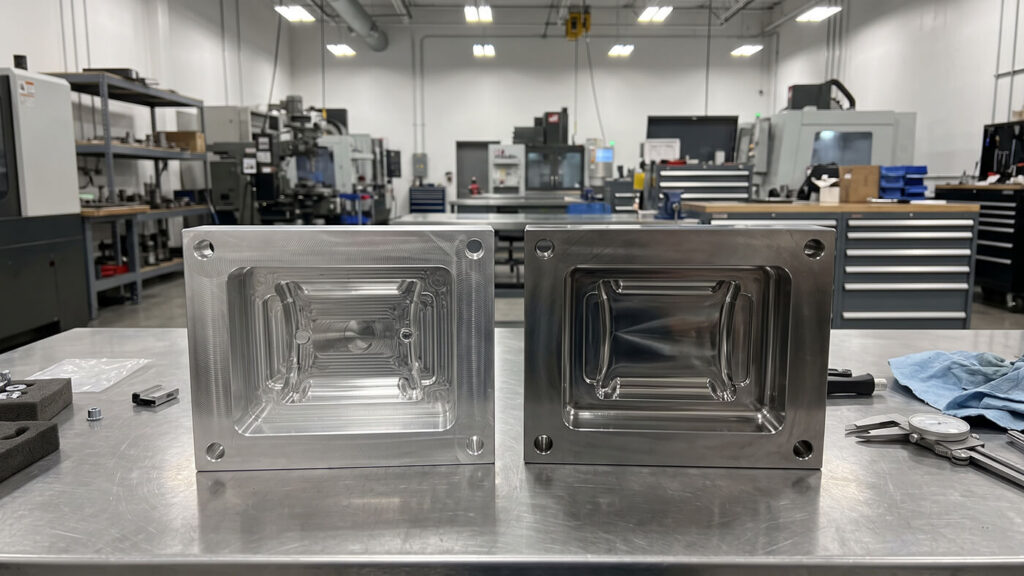
“Just build it in aluminum first, we’ll do steel later” is one of the most common lines we hear from first-time buyers — and it’s usually the right instinct, applied at the wrong moment. Soft and hard tooling aren’t really a cost tier, they’re two different tools built to answer two different questions: is this design right, and can we make a million of them. Mixing those questions up is where buyers either overspend early or get burned mid-program. Here’s how to actually tell them apart.
What “Soft” and “Hard” Actually Mean in Tooling
The terms get thrown around loosely, but the real distinction is steel hardness, not just “prototype vs. production.” Soft tooling is typically cut from aluminum (commonly 7075 or similar aircraft-grade alloys) or occasionally mild, unhardened steel. Hard tooling is cut from tool steel — grades like S136, H13, or NAK80 — heat-treated to somewhere in the 48-52+ HRC range specifically so the cavity surface resists wear over hundreds of thousands of cycles.
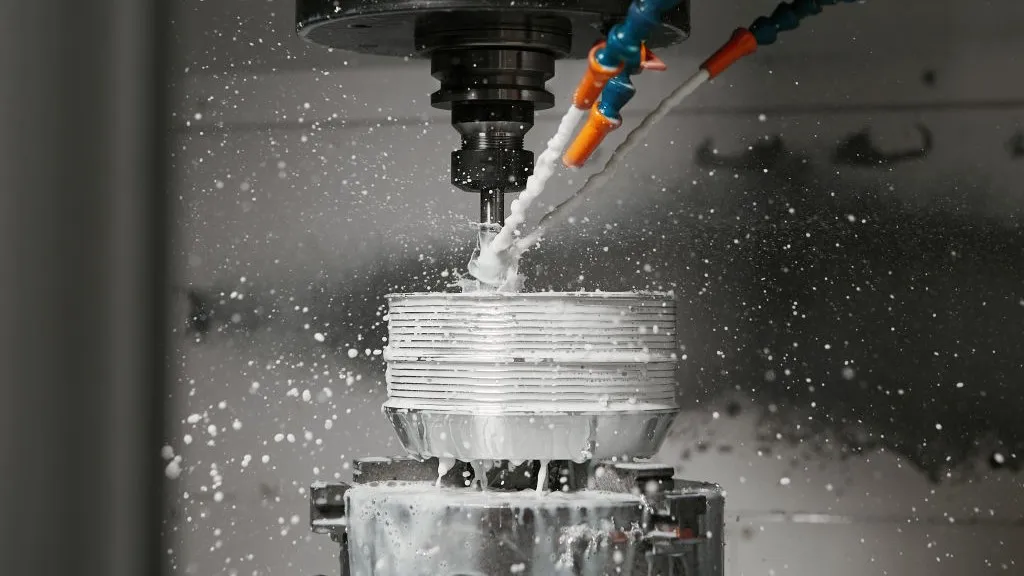
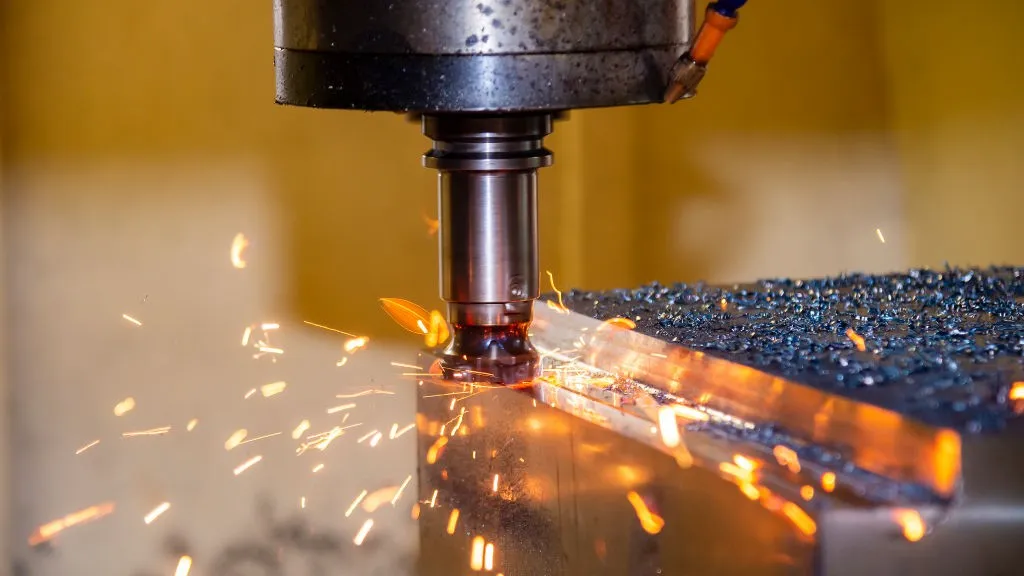
That hardness gap drives everything else. Aluminum machines four to five times faster than steel, which is exactly why a well-run rapid tooling program — ours included — can cut and deliver a working aluminum tool in around 10 days instead of the 4-8 weeks a hardened steel tool typically needs. Aluminum also conducts heat several times faster than steel, which shortens cooling time and cycle time on the aluminum tool itself — a nice side benefit, not the main point.
The tradeoff is durability. As a rule of thumb, aluminum tooling is commonly rated around 10,000 shots before wear becomes a real concern, though the actual number swings widely with part geometry and resin abrasiveness — and steel tooling is generally reserved for programs pushing well past a million parts, where the higher upfront investment (often $50,000 or more) amortizes down to a lower cost per part (Source: Protolabs, “Aluminum Mold Tooling for Injection Molding,” 2024). Between those two ends sits the volume range where the real decision actually gets made — which is the question worth spending time on, not the labels themselves.
The Real Shot-Count Threshold Where Hard Tooling Starts Paying for Itself
The naive version of this decision is “soft tooling is cheaper, so use it until you can’t.” That’s true up to a point, and false past it, because soft tooling’s per-part cost doesn’t stay flat the way people assume.
Two things erode it as volume climbs. First, cavity wear: aluminum is soft enough that high-pressure, high-shear resins — anything glass-filled in particular — abrade the cavity surface measurably faster than an unfilled commodity resin would. A widely cited real-world case from a firearms manufacturer molding 33%-glass-filled nylon hit its expected aluminum tool life of 50,000 parts, then extended the tool another 60,000-70,000 parts by stripping and recoating the cavity — a maintenance step that adds cost and downtime a hardened tool wouldn’t need at that volume (Source: MoldMaking Technology, “Debunking the Myths: Aluminum Tooling — Facts vs. Fiction,” December 2025). Second, labor: aluminum tools are more prone to gradual dimensional drift and occasional hand-touch rework between runs, which shows up as a slow creep in your effective cost per part that a simple “tooling cost ÷ volume” spreadsheet won’t catch.
There’s no single magic number — a simple, unfilled-resin, low-cavitation part can comfortably ride an aluminum tool well past 50,000-100,000 units, while a complex, glass-filled, tight-tolerance part might hit real wear risk closer to 10,000-20,000. The only reliable way to find your actual break-even is to run the full landed-cost model — tooling cost, expected maintenance/recoating events, and per-part cost — against your real 12-24 month volume forecast, not a rule of thumb borrowed from a different part.
Can a Soft-Tool Design Just Get Re-Cut in Steel Later?
This is the assumption that causes the most avoidable rework: that a validated aluminum tool design gets handed to the toolmaker as-is and simply re-cut in hardened steel. In practice, that’s rarely a clean 1:1 transfer.
Aluminum’s much faster heat transfer means a part can cool — and behave — differently than it will in a slower-cooling steel cavity, which sometimes masks warpage, sink, or cosmetic issues that only surface once the same geometry runs in steel at production speed. Soft tools are also frequently built without full production features — no hot runner, fewer cavities, simplified side-actions — specifically because they’re meant to validate form and fit, not run at rate. “Transferring” a design to hard tooling is therefore closer to a re-engineering pass than a re-cut: shrinkage compensation, gate location, and cooling layout often get re-optimized for the production tool’s actual thermal behavior, and a fresh first-article inspection and process validation should run independently on the hard tool rather than assuming the soft tool’s numbers still hold. Treat the soft-tool data as directional evidence the design works — not as the final dimensional record for production sign-off.
Where Soft Tooling Actually Earns Its Keep: Bridge Production
The most common mistake going the other direction is treating aluminum tooling as strictly a prototyping step — a handful of test parts before “real” production starts. For a lot of accessory-class programs, that undersells what a well-built soft tool can do.
Bridge tooling — an aluminum tool built to actually run early commercial volume while a hardened production tool is cut in parallel — is a legitimate strategy, not a compromise. It’s particularly useful for a startup that needs to start shipping a crowdfunding batch, a retail pilot order, or an early sales run without waiting out a 6-8 week steel tool lead time, and it lets real market demand (not a forecast) inform the cavitation and automation decisions on the eventual hard tool. In some cases, if realistic lifetime volume turns out to be modest, the bridge tool ends up serving the entire product life and a second, hardened tool is never needed at all.
The one thing that shouldn’t change between a bridge run and a full production run is the paperwork. A retailer or end customer doesn’t care which tool made the part — they care that it matches spec. Bridge production still needs the same dimensional inspection reports and batch-level quality documentation as a steel-tooled run, not a lighter version of it.
Frequently Asked Questions
What is the main difference between soft tooling and hard tooling?
Soft tooling is machined from aluminum (or occasionally unhardened steel), while hard tooling is machined from hardened tool steel treated to roughly 48-52+ HRC. That hardness difference is what drives the rest of the comparison — aluminum tools are faster and cheaper to build but wear faster, while hardened steel tools cost more and take longer upfront but can run hundreds of thousands to over a million cycles.
How long does an aluminum soft tool typically last?
As a rule of thumb, expect somewhere around 10,000 shots before wear becomes a real concern, though the actual number depends heavily on part geometry and resin. Unfilled, low-abrasion resins on simple geometries can comfortably exceed 50,000-100,000 shots, while glass-filled or highly abrasive resins accelerate cavity wear and can bring that number down significantly unless the tool is recoated or refreshed partway through the run.
Is soft tooling always cheaper than hard tooling?
Only up to a certain volume. Below that point, soft tooling’s lower upfront cost and faster lead time make it the clear winner. Past it, the combination of wear-related maintenance, potential rework, and per-part cost creep on a soft tool can make hard tooling the actual lower-cost path — which is why the decision should be based on a real cost model against your volume forecast, not a fixed rule of thumb.
Can a soft tool handle glass-filled or other abrasive resins?
Yes, but with a shorter expected life and more maintenance than an unfilled resin would need. Glass fiber is abrasive enough to visibly accelerate wear on an aluminum cavity, so programs running filled resins on soft tooling should plan for a possible recoating or refresh cycle partway through the run rather than assuming the same shot-count rule of thumb that applies to unfilled material.
Do I need to re-validate the part once it moves from a soft tool to a hard tool?
Yes. Because cooling behavior, gating, and production features often differ between the two tools, a hard tool should go through its own first-article inspection and process validation rather than inheriting the soft tool’s dimensional sign-off. Treat the soft-tool run as confirmation the design works, not as the production record.
If your part is still moving through revisions, or you’re not yet sure whether your first-year volume clears the threshold where steel starts paying for itself, that’s exactly the conversation worth having with a toolmaker before committing either way.