
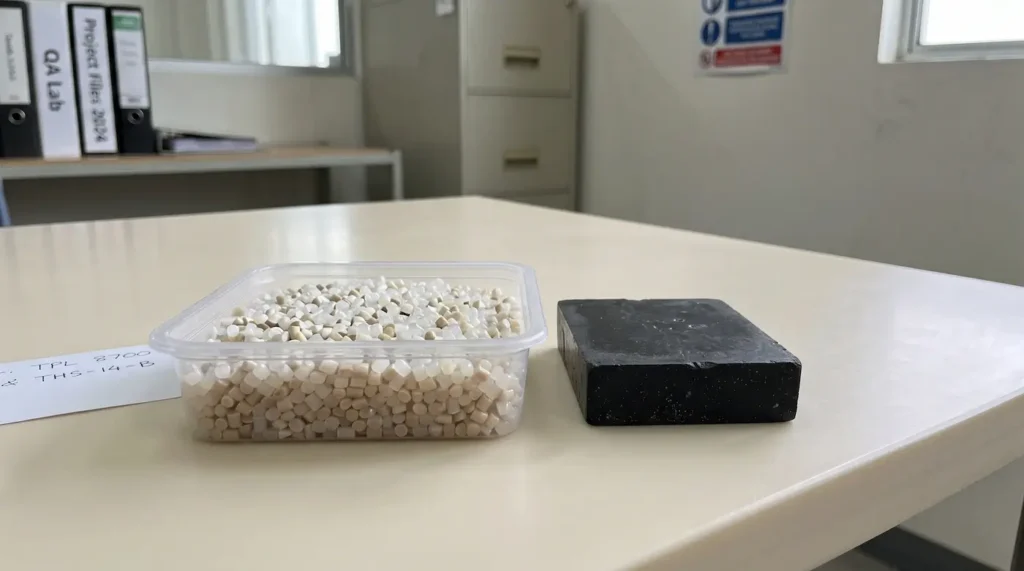
Every plastic part starts as a resin that hasn’t taken its final shape yet, but not every plastic gets there the same way — and one of the two paths is a one-way door. A thermoplastic can be melted, shaped, cooled, ground back into pellets, and melted again, dozens of times over, without much changing about it chemically. A thermoset goes through a chemical reaction during molding that permanently locks its structure in place; heat it hard enough afterward and it doesn’t melt, it burns.
That one-way door is easiest to picture with a kitchen comparison. Uncooked spaghetti bends and reshapes freely — that’s a thermoplastic, its long molecular chains sliding past each other whenever heat loosens their grip. Scrambled eggs are the thermoset: once the proteins cross-link and set, no amount of reheating turns them back into liquid egg. Every practical difference between the two material families traces back to that same one-way-versus-reversible distinction — and getting the choice wrong doesn’t usually show up as a dramatic failure, it shows up quietly, as a mold that costs more to modify, a scrap rate that never gets absorbed, or a part that softens at a temperature nobody checked for until it was already in the field.
What Makes a Thermoplastic Behave the Way It Does
Thermoplastics are built from long polymer chains, either straight or lightly branched, held together by relatively weak intermolecular forces rather than true chemical bonds between chains. Heat disrupts those weak forces enough to let the chains slide past each other, which is what “melting” actually is at a molecular level — and because no permanent bond ever broke in the process, cooling the material locks the chains back in place without changing what they’re made of. That’s the entire mechanism behind why a thermoplastic can be melted and reshaped over and over: there’s simply nothing chemically different about the material before and after each cycle.
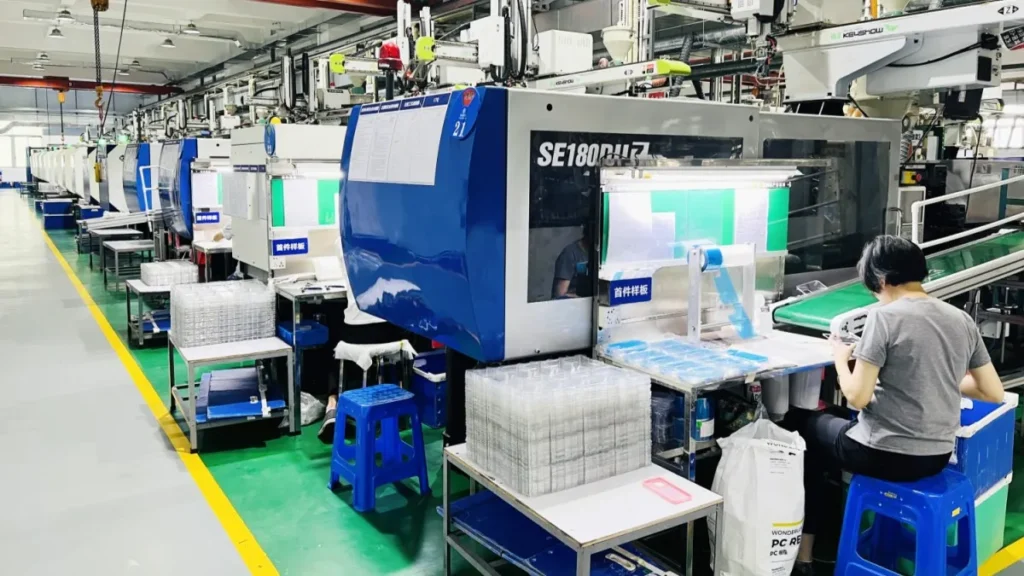
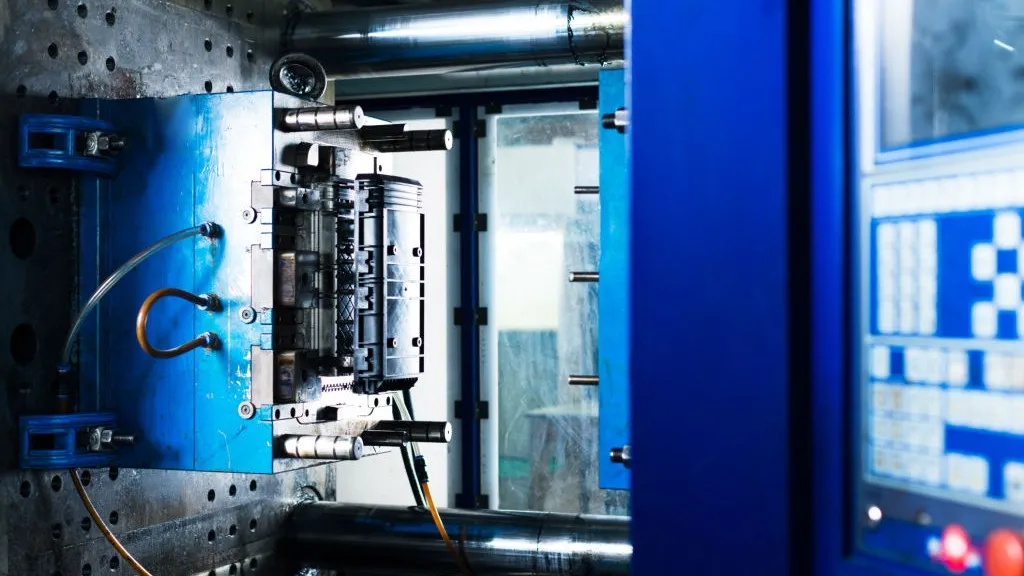
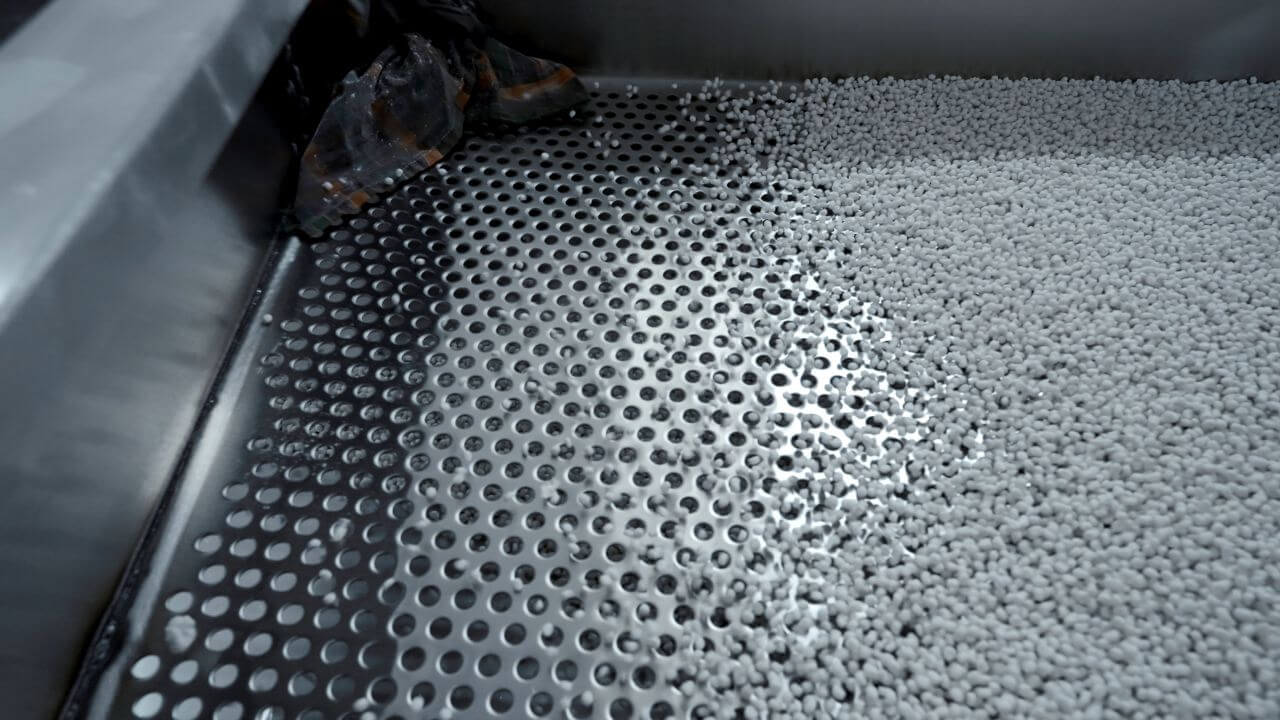
This is also why thermoplastics dominate injection molding specifically. A cold pellet goes into the barrel, gets heated to a melt, gets pushed into a cavity, and cools into its final shape within seconds — a cycle that can repeat thousands of times a day on the same machine, and any scrap or runner material can usually be reground and fed straight back into the process. ABS, polypropylene, polycarbonate, and nylon all fall into this family, spanning everything from cheap commodity resins to higher-strength engineering grades — our breakdown of thermoplastic material families covers how those grades are typically categorized. That range is a large part of why thermoplastics cover the majority of consumer products, enclosures, and mechanical components made today.
The same weak-bond structure that makes thermoplastics remeltable also shapes how they’re designed for molding in the first place — wall thickness, gate placement, and cooling all get planned around a fast melt-and-freeze cycle, which is a very different design problem than planning around a cure reaction. Our DFM guide goes deeper into those thermoplastic-specific design rules.
What Makes a Thermoset Behave the Way It Does
Thermosets start as a liquid or semi-liquid resin, and heat doesn’t just soften them — it triggers an actual chemical reaction, called curing, that forms strong covalent bonds directly between the polymer chains. As Matmatch’s materials science resource explains, this cross-linking dramatically increases the material’s effective molecular weight as curing proceeds, eventually locking the chains into a single rigid three-dimensional network rather than separate strands. Once that network forms, it’s permanent — the material’s melting point effectively rises above its decomposition temperature, so instead of melting when reheated, a cured thermoset scorches and breaks down.
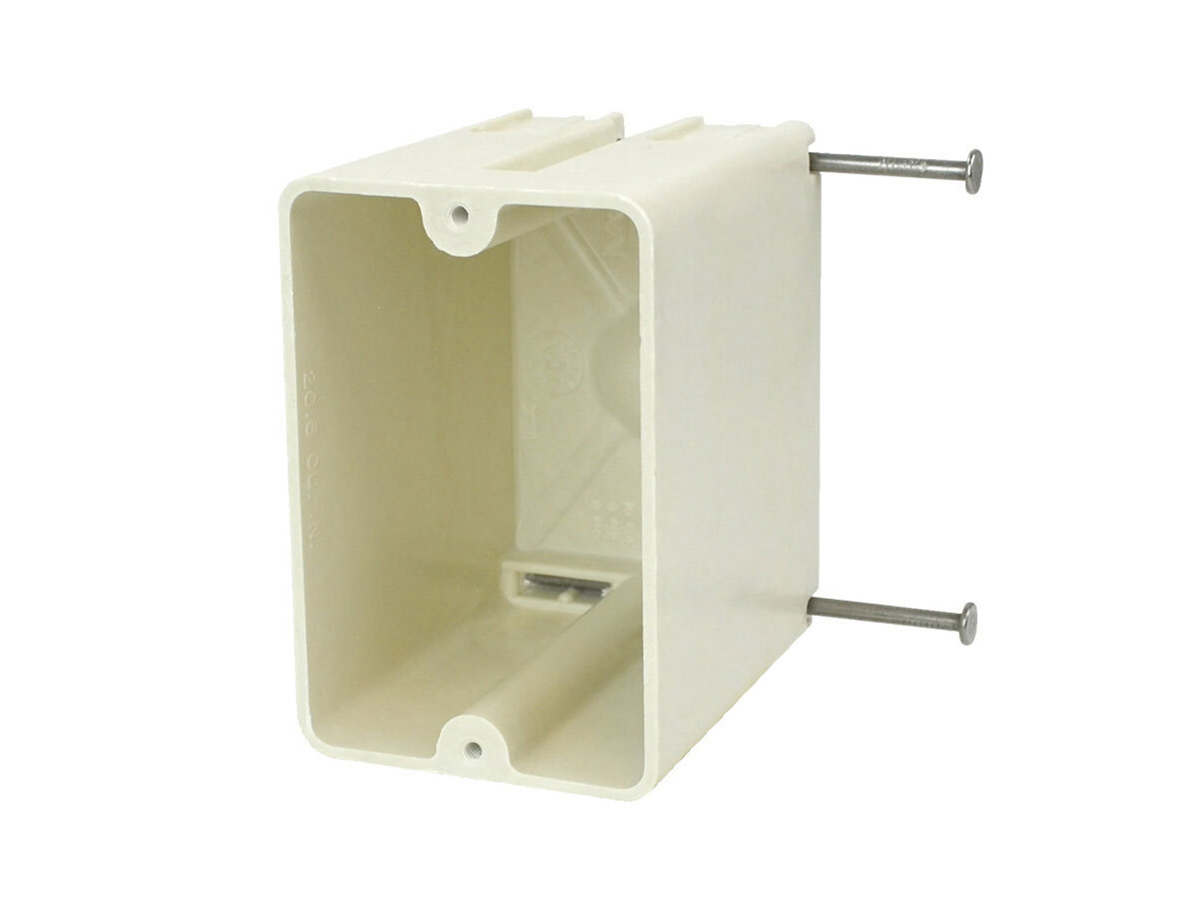
That permanence is exactly what makes thermosets valuable in the applications where they show up: electrical switches and outlet housings, printed circuit board substrates, adhesives, and composite parts reinforced with glass or carbon fiber, where dimensional stability under sustained heat matters more than the ability to reshape or recycle the part later. Epoxies, phenolics like the original Bakelite, and melamine all fall into this family, and it’s not a coincidence that most of them show up in electrical and high-heat contexts rather than everyday consumer packaging.
The trade-off is processing itself — curing takes real time inside the mold, usually longer than a comparable thermoplastic’s cool-down, since the chemical reaction has to run to completion rather than just cooling to a set temperature. Once cured, a mistake can’t be reground and reused the way thermoplastic scrap can, and the tooling itself often has to account for that longer dwell time with different venting and heating strategies than a thermoplastic mold would need.
Where the Practical Differences Actually Show Up
The molecular explanation matters because it predicts almost everything a buyer actually cares about on a sourcing decision — cost pattern, lead time, and what happens when something goes wrong on the line.
| Factor | Thermoplastic | Thermoset |
|---|---|---|
| Recyclability | Regrind and reuse scrap directly | Not recyclable once cured |
| Heat resistance | Moderate; softens under sustained heat | High; stable at elevated temperatures |
| Typical cycle time | Seconds to a couple of minutes | Several minutes, driven by cure time |
| Common processes | Injection molding, extrusion, blow molding | Compression molding, transfer molding, casting |
| Mistake tolerance | Scrap part can be reground and remolded | Cured scrap is simply waste |
That last row is easy to underweight when comparing quotes on paper, but it shows up directly in cost and risk once a program is running: a thermoplastic process that scraps a bad shot loses that one shot’s worth of material, while a thermoset process that scraps a bad cure loses the material, the cure time, and the machine time all at once, with nothing recoverable to feed back into the next shot. Over a multi-year production run, that difference compounds — a thermoplastic program can often absorb a startup scrap rate without much drama, while the same scrap rate on a thermoset program is pure loss from day one.
Which One Does Your Part Actually Need?
For most consumer products, enclosures, and mechanical components, the answer defaults to thermoplastic — not because thermosets are inferior, but because the ability to iterate on a design, regrind scrap, and run fast, repeatable cycles matches how most product development actually works. Thermosets earn their place in a smaller set of situations where their specific strengths are the actual requirement, not just a nice-to-have.
- The design is still likely to change through a few more revisions
- Parts need to survive drops or repeated flexing
- Regrind, recycling, or lower material cost at volume matters
- Cycle time and throughput are a priority
- The part sits near sustained heat or an electrical current
- Long-term dimensional stability matters more than impact toughness
- Chemical resistance to solvents is a hard requirement
- The application already calls for fiber-reinforced composite strength
Because thermoplastics cover the large majority of parts that fall into the first column — and that’s most consumer electronics, housings, brackets, and mechanical components — this is the material family behind almost every custom injection molding project we run, and it’s why the rest of this site focuses so heavily on getting thermoplastic material selection, tolerances, and defects right. That’s not a knock on thermosets; it’s simply that most products in development are still changing shape, still being cost-optimized, and still benefiting from a process that lets a bad shot become good material again rather than scrap.
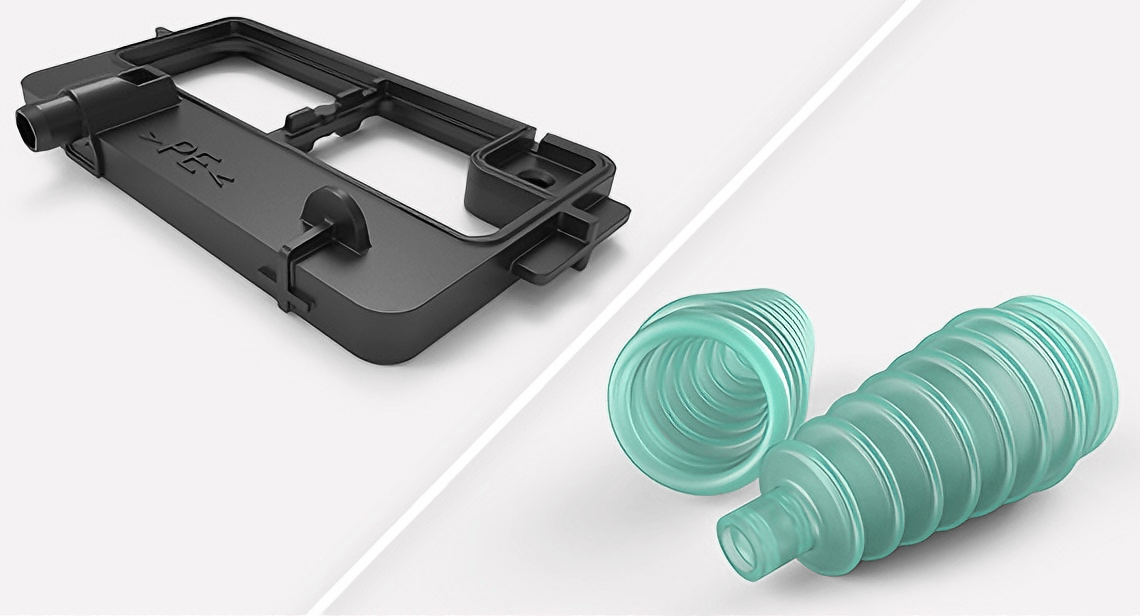
The exception worth flagging: a growing number of products need a rigid, cosmetic outer shell in thermoplastic paired with a soft-touch or sealing layer that behaves more like rubber. That combination doesn’t require switching to a true thermoset — thermoplastic elastomers like TPE and TPU deliver rubber-like flexibility while staying fully remeltable, which is exactly the trade-off covered in our overmolding guide.
Not by remelting. Some thermoset scrap gets ground into filler for new composite material, but the original part itself can never be reshaped into a new one.
Traditional vulcanized rubber is a thermoset — the vulcanization process cross-links it permanently. TPE and TPU are thermoplastic elastomers built to mimic rubber’s flexibility while staying remeltable.
Longer cure times, no regrind, and less design flexibility add cost and risk that most products don’t need to take on for strength they won’t actually use.
Sometimes, but the mold design usually has to change along with the material — a thermoset mold accounts for cure time and venting differently than a thermoplastic mold built for a fast cooling cycle.