
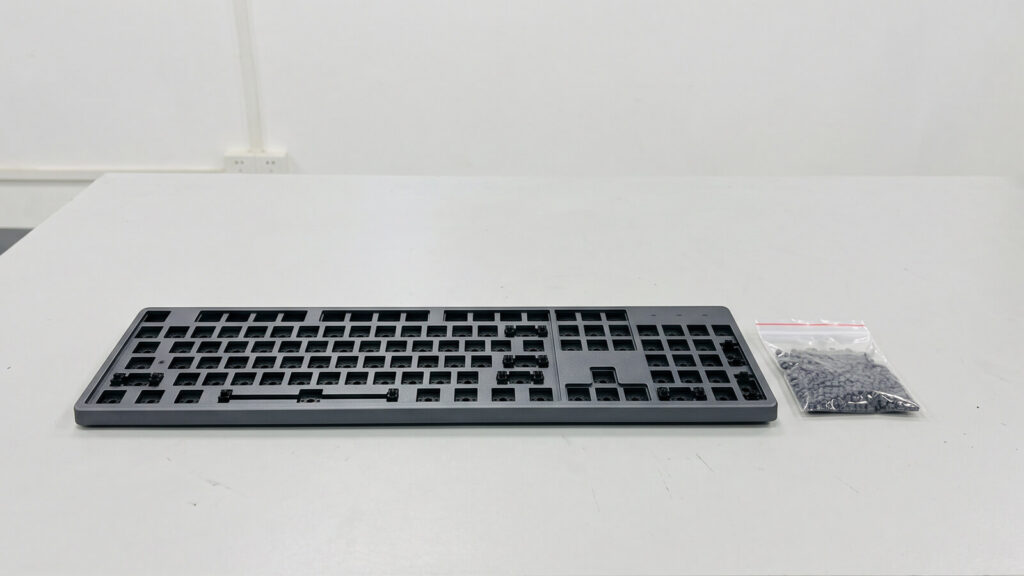
ABS is the default engineering plastic for housings, shells and cases. It is tough, easy to mold and takes paint or texture well. It is also forgiving enough that people stop watching it, and that is where most ABS problems start: wet resin, a cold mold, or a grade swapped without resetting the process.
This guide covers what ABS is, the properties buyers should check, the process window that works and the defects we see most. As a plastic injection molding manufacturer that molds a lot of accessory housings, we keep it practical.
What ABS Is and What the Name Means
ABS stands for acrylonitrile butadiene styrene, a terpolymer built from three monomers. Acrylonitrile adds chemical and heat resistance, butadiene adds toughness and impact strength, and styrene adds gloss and easy flow. Changing the ratios changes the grade.
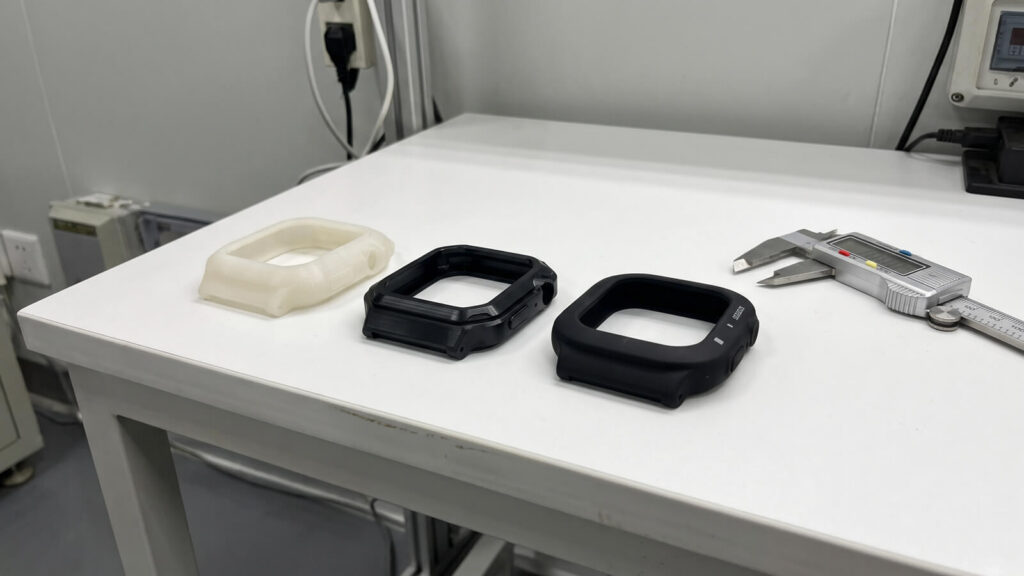
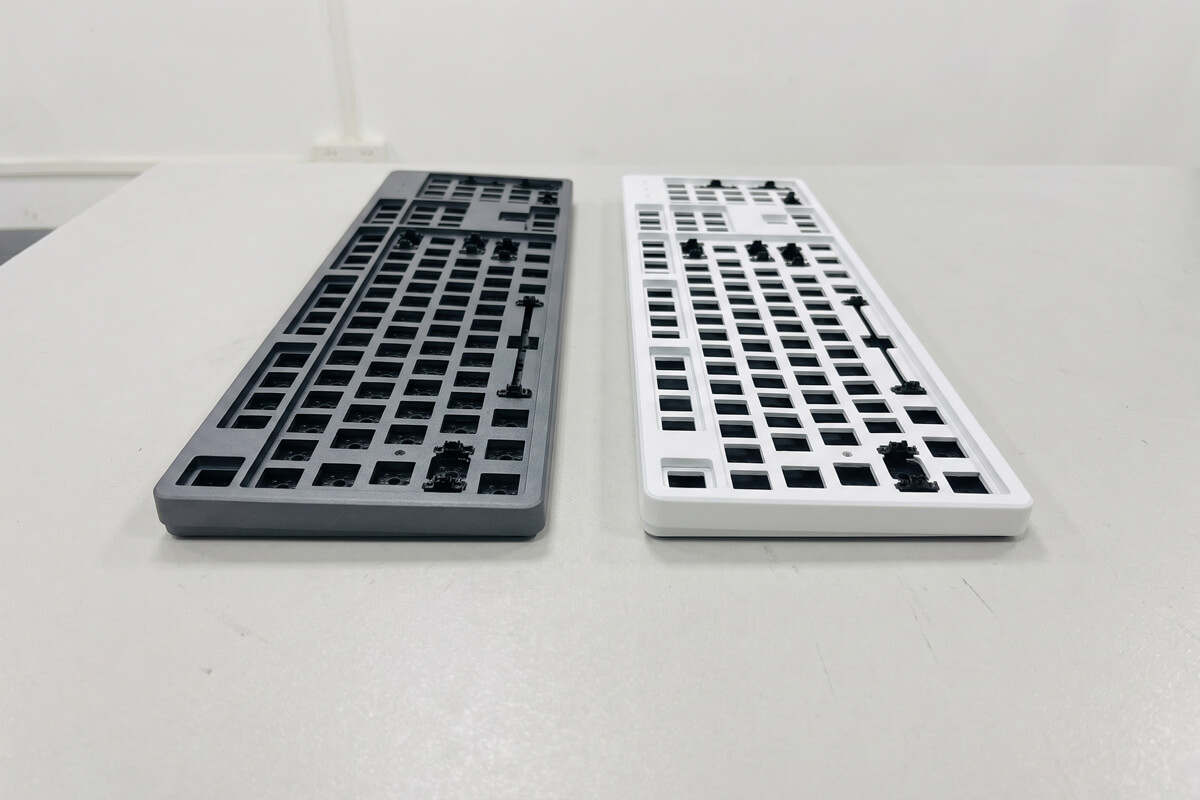
ABS is amorphous, so it has no sharp melting point. It softens gradually above its glass transition at roughly 105°C, which gives it a wide processing window and less warpage than semi-crystalline plastics such as PP or nylon. It suits slim keyboard cases, device housings, VR/AR structural shells and collector display bases, the kind of accessory parts we mold for startups and small brands.
ABS Properties Buyers Should Check
| Property | Typical general-purpose range | Why it matters |
|---|---|---|
| Density | 1.03–1.06 g/cm³ | Light parts and lower freight weight |
| Molding shrinkage | 0.4–0.7% | Predictable dimensions and low warpage |
| Glass transition | About 105°C | Softening starts here; service temperature is lower |
| Heat deflection temperature | Roughly 80–100°C | Parts near heat sources may need PC/ABS or PC |
| Tensile strength | Roughly 35–50 MPa | Enough for housings and well-designed snap fits |
| Impact strength | High, grade-dependent | The main reason ABS is chosen for drop resistance |
| Weak points | UV, strong solvents, flammability in standard grades | Use UV-stable or flame-retardant grades, or paint, where needed |
Typical ranges for general-purpose grades. The datasheet for your exact grade governs.
Grades differ more in processing than most engineers expect. The common families are general-purpose, high-impact, high-flow, heat-resistant, flame-retardant and high-gloss. Before setting a parameter, read three datasheet values: melt flow rate, Vicat softening point and grade type.
- General-purpose: the default for housings and cases
- High-flow: thin walls and long flow paths, with a lower melt temperature
- High-impact and heat-resistant: tougher or warmer-running parts, with a hotter mold
- Flame-retardant: electronics shells, with a lower drying temperature
- High-gloss: show surfaces, with stricter drying and a hotter mold
The ABS Injection Molding Process Window
ABS is forgiving, but the window is not unlimited. The values below suit a general-purpose grade and are a starting point; trial data takes over from there (Source: Sales Plastics, 2026).
| Parameter | General-purpose ABS | Notes |
|---|---|---|
| Drying | 80–85°C for 2–4 h | Use a desiccant dryer. Moisture below 0.1%, and below 0.05% for high-gloss grades. Flame-retardant grades dry at 75–80°C for 2–3 h. Avoid baking for more than 8 h. |
| Melt temperature | 220–245°C | Yellowing risk above about 250°C. Adjust in ±5°C steps and judge three to five shots. |
| Mold temperature | 40–80°C | High-gloss grades run about 60–90°C. Keep actual surface temperature within 5°C of the setpoint. |
| Switching to a high-flow grade | Lower melt by 5–10°C | Watch for flash and reset the whole profile instead of carrying settings over. |
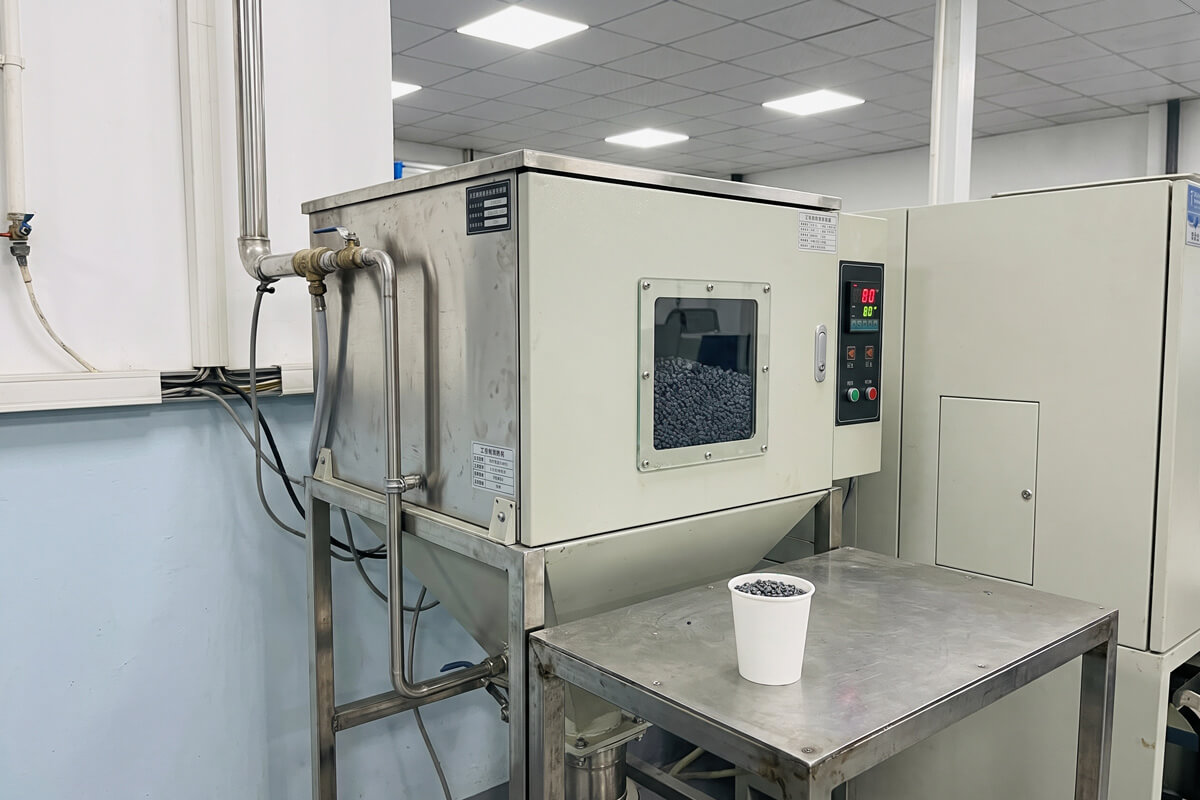
Mold temperature decides gloss, weld lines and stress
A cold mold freezes the skin quickly. Weld lines show, internal stress climbs and gloss turns uneven. A hotter mold improves gloss and relieves stress but lengthens cooling. When cycle time and appearance conflict, prioritize stable mold temperature over speed, and check the surface with an infrared thermometer instead of trusting the controller.
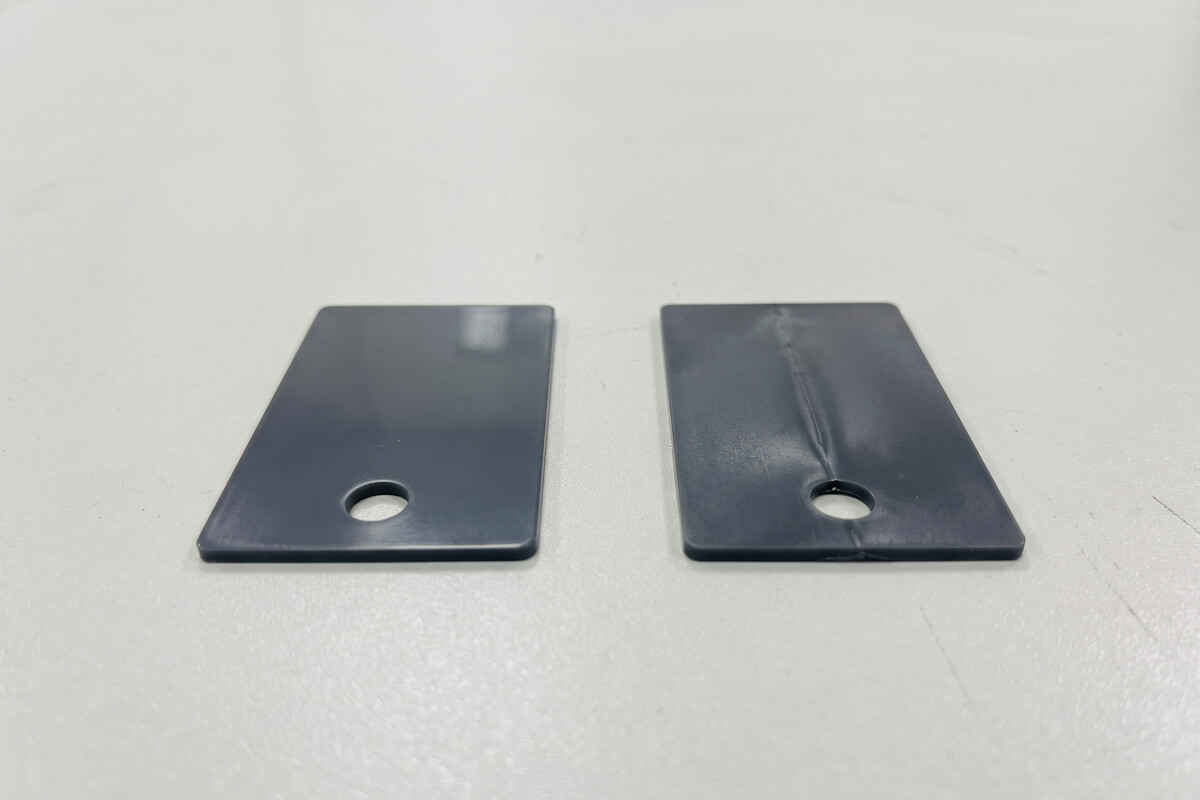
Design points that matter for ABS
Keep walls uniform, typically about 1.2–3.5 mm depending on part size and grade, add draft and generous radii, and vent the last-fill points. Build the 0.4–0.7% shrinkage into the cavity for the actual grade. With tool tolerance held at ±0.01 mm, most dimensional spread then comes from process stability, not the steel. Our guide on how to design for injection molding covers the wall and rib basics.
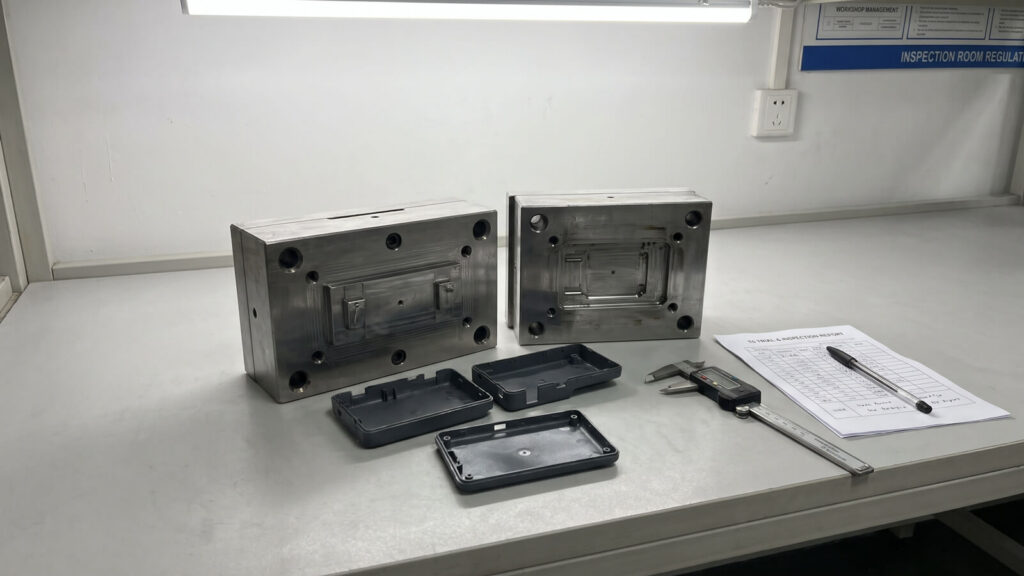
To validate a new ABS design before hard tooling, our rapid tooling route (MUD) can get T1 samples out in as little as 10 days. Production molds then move into mold making services and our plastic injection molding services, where 50T–800T presses cover most ABS housings.
Tooling notes: gates, vents and tool life
Unfilled ABS is not abrasive, so a standard tool typically reaches its rated life. Ours is 300,000 shots as standard and can be raised to 500,000 when volume justifies it. Glass-filled ABS wears gates faster. Vent every last-fill point: trapped air in a viscous melt scorches the surface into dark burn marks near the end of fill. Place gates on a hidden or textured edge, because the gate vestige and any weld line should land away from show surfaces.
Color and masterbatch
ABS takes masterbatch well, but metallic flake and pearlescent pigment line up along weld lines and exaggerate them. For consistent color from lot to lot, keep the same grade and masterbatch supplier, dry both, and approve the first samples under a fixed light. If a metallic look is the goal, paint usually gives a cleaner result than loading the resin with flake.
Common ABS Molding Problems and Fixes
| Symptom | Usual cause | First fix |
|---|---|---|
| Silver streaks or splay | Moisture in the resin | Dry 80–85°C for 2–4 h before touching temperatures. See silver streak in injection molding |
| Yellow or brown streaks | Melt too hot, or resin sitting too long in the barrel | Lower melt temperature and shorten residence time |
| Visible weld lines | Melt fronts meeting cold | Raise mold and melt temperature in 5°C steps, then review gate position |
| Warpage or cracking after assembly | Residual stress, uneven cooling | Raise mold temperature, balance cooling, even out walls |
| Uneven gloss | Unstable mold surface temperature | Measure the actual surface and keep it within 5°C of setpoint |
| Dark burn marks near the end of fill | Trapped air compressed by a fast final fill | Add or clear vents, slow the last part of the fill |
| Sink marks over ribs or bosses | Thick section, short packing | Review rib thickness, then packing pressure and time |
| Flash after a grade change | High-flow grade on the old profile | Lower melt by 5–10°C and reset the profile |
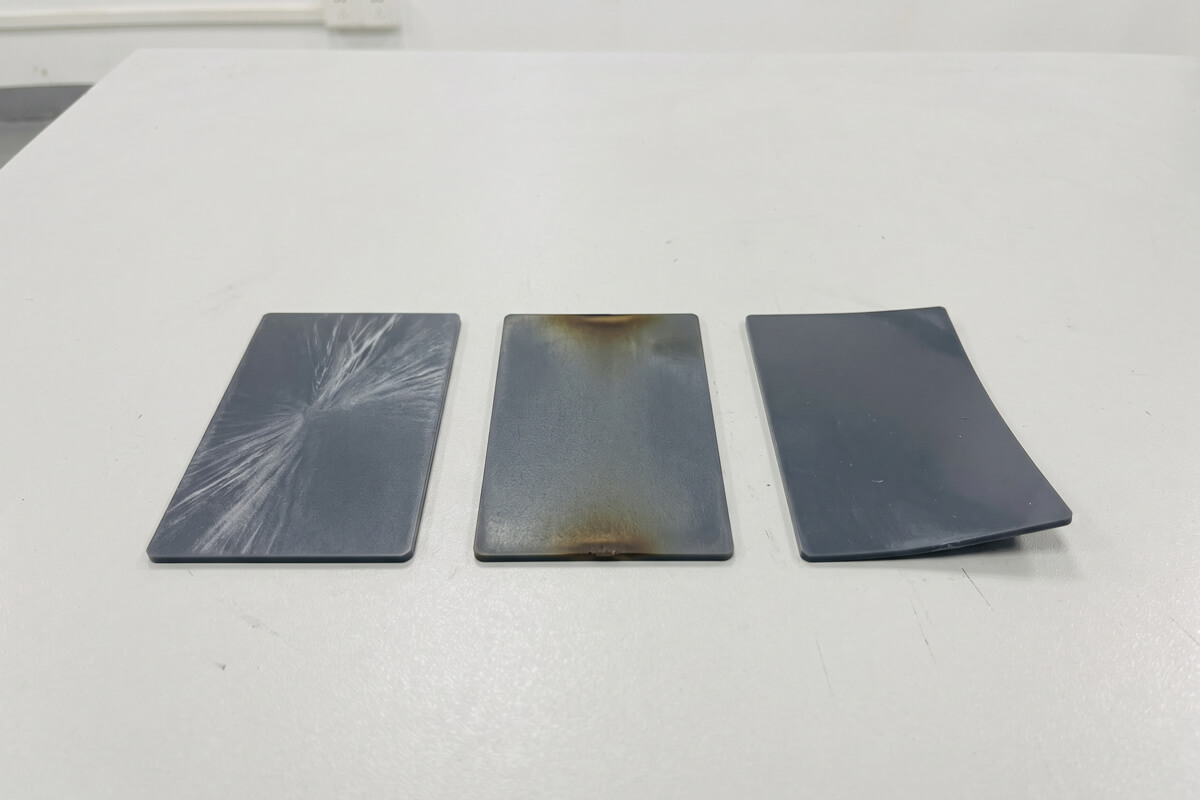
For the wider defect list, see our overview of plastic molding defects and remedies.
ABS or Something Else? Finishes and Limits
Choose ABS for toughness, a good surface and low cost. Move to PC/ABS or PC when heat resistance or low-temperature impact matters, use a UV-stable grade or paint for outdoor use, and avoid ABS where solvent or chemical contact is expected. Our material selection guide and note on what type of plastic is used for injection molding compare the alternatives.
| Need | ABS | PC/ABS | PC | PP |
|---|---|---|---|---|
| Cost | Low to mid | Mid | Higher | Lowest |
| Heat resistance | Moderate | Better | High | Moderate |
| Low-temperature impact | Good | Better | Best | Weaker |
| Paint and texture | Good | Good | Good | Needs surface treatment |
- Paint and texture: the usual route to a premium look on housings and cases
- Plating: needs a dedicated plating grade, so decide before tooling
- Assembly: ABS bonds and welds well, which suits multi-part shells
Tell us the finish at the quote stage so the grade and mold temperature are chosen to suit. It matters for smart device housings and accessory shells, where the surface is what the customer sees.
Frequently Asked Questions
What does ABS stand for in plastic?
ABS stands for acrylonitrile butadiene styrene, an amorphous thermoplastic made from three monomers. Each contributes one trait:
- Acrylonitrile: chemical and heat resistance
- Butadiene: toughness and impact strength
- Styrene: gloss and easy flow
Is ABS plastic good for injection molding?
Yes. ABS flows well, shrinks little (about 0.4–0.7%), warps less than semi-crystalline plastics and accepts paint and texture. It is forgiving, but it still needs proper drying and stable mold temperature to give a clean surface.
What temperature should ABS be injection molded at?
General-purpose ABS is typically molded at a melt temperature of about 220–245°C and a mold temperature of 40–80°C. High-gloss grades use a hotter mold, about 60–90°C. Always start from the grade datasheet and adjust in 5°C steps.
Does ABS need to be dried before injection molding?
Yes. ABS absorbs moisture, and wet resin causes silver streaks. Standard drying is:
- 80–85°C for 2–4 hours in a desiccant dryer
- Moisture below 0.1%, or below 0.05% for high-gloss grades
- Lower temperature, 75–80°C, for flame-retardant grades
What is the shrinkage rate of ABS?
ABS shrinks about 0.4–0.7% during molding. The exact figure depends on the grade, wall thickness, mold temperature and packing, so cavities should be sized for the actual resin.
What are the disadvantages of ABS plastic?
ABS has four main limits:
- Poor UV resistance, so it yellows outdoors without a stabilized grade or paint
- Attacked by strong solvents such as acetone
- Limited heat resistance, with a heat deflection temperature around 80–100°C
- Standard grades burn, so flame-retardant grades are needed for some uses
Send your CAD file and the finish you want. In a free DFM analysis we will:
- Recommend a grade and a mold-temperature plan
- Flag shrinkage-sensitive and weld-prone features
- Quote against your MOQ and finish